
How Spending Time in Nature Has Helped Parents to Reduce Stress and Feel Better

  1. Share
0 0

Make Spending Time in Nature a Priority this Holiday

We have reached that busy, exciting, tiring time of year again, but with an extra twist of stress. Not only are the holidays fast approaching, we also have virtual learning, social distancing, and drastically changing holiday plans on our minds as we weather the storm of this global pandemic. So how do you stay sane and calm with so much uncertainty surrounding you? That’s where the power of the outdoors comes in. Whether your family could use an attitude adjustment, a sense of normalcy, or the therapeutic effects of spending time in nature, stepping out your front door can make all the difference. Our community members share how the power of the outdoors has helped them through the stress of this year. We hope this gives you inspiration to continue to get outside safely in the coming weeks and beyond. 
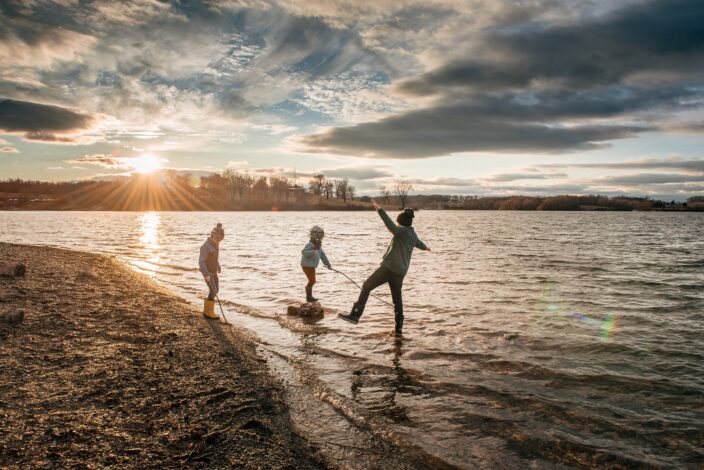
The Therapeutic Effects of Spending Time in Nature

  • “Getting outside is incredibly therapeutic for us. There's no dishes or laundry, there's no distracting tv or tablets. Just us exploring, talking & exercising. We are always calmer and happier on days we get outside! Rain or shine, beach or mountains...we love it all!” -   Anastasia from Boring, Oregon
  • “Outside time for us as a family is like therapy. Everyone's mood is better, irritability is much less, we can all feel less tension and stress; even our kids notice it. Each of us has something we love to do by ourselves; whether it's fishing, digging in the dirt, hiking, or painting the landscape. Then we come together to enjoy those things as a family and it reminds us that we DO get along and we DO still like each other.” -  Alex from Salt Lake City, UT
  • "Simply by being outside for hours and hours and days at a time engages all of my senses – particularly sight. There are so many views to behold and be grateful for." - Mirna Valerio
  • “Being outside is a stabilizing force in our family. It gives us an outlet for excess energy, it brings joy when we are feeling sad or grumpy, and it spurs our imagination and creativity. If we’re in an ugly place by mid-morning or post-nap, it's time to strap on shoes and throw on jackets.” - Megan from Colonie, NY
“I notice how much better my 3-year-old (and I!) sleeps if we have spent a few hours outdoors. And although in-person hikes are currently paused, I love having the Hike It Baby community to get ideas of where my family can explore in our local area. Especially as the seasons change!” -   Emily from Tokyo, Japan
  • “Getting outside is like hitting the refresh button. It’s a time to explore, relax, listen, run, and play. It’s fun exploring new places and watching the seasons change.” -  Beth from Pittsburgh, PA
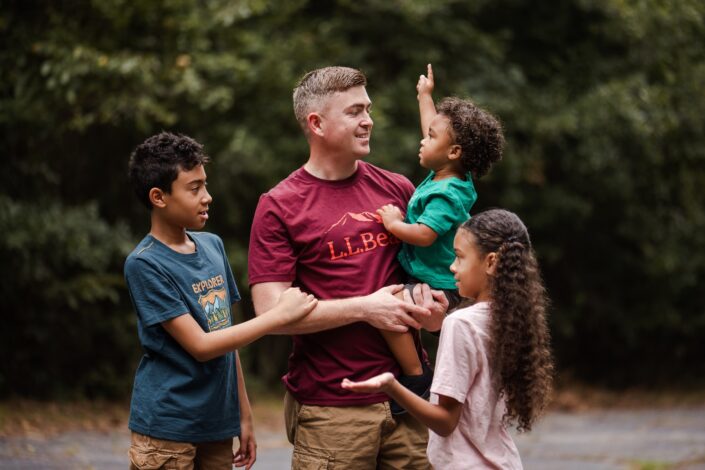
 

An Instant Attitude Adjustment

  • “Starting our mornings outside changes our entire mindset for the day! We put life and responsibilities on hold to take care of ourselves first. We bond, enjoy what nature has in store for us and usually end up in good moods that last throughout the day.” -  Lynze from Richmond, VA
“Instant attitude adjustment—for me! Going outside and moving around gives me a reset to my mood and energy.” -  Jocelyn from Framingham, MA
  • “We definitely notice a difference in mood on outdoor vs indoor days - I think he sleeps better and has a cheerier demeanor the days we get in at least an hour of outdoor play, less meltdowns etc! He hardly notices rain, cold or dark (now that the days are getting shorter) he’ll play until we can barely see each other.” - Mayrita from Capital Region, NY
  • "Ruby comes alive in the outdoors. I can tell she feels free and I watch her take it all in. Rocks, sand, dirt, leaves, trees, you name it she will touch it." Melody Forsyth
  • “When you have toddlers, emotions get big. Going outside seems to help, as if the walls keep their feelings from dispersing. Going outside helps with my high energy kids, too. As they say, ‘kids can’t bounce off the walls if there are no walls’. I feel it too.  Even just going outside to blow a few bubbles or walk to the end of the street and back makes a huge difference. When we don’t do these things, everything just seems like a bigger struggle. To be completely honest, I feel like I yell more when we don’t get enough outdoor time.” - Nicole from Knoxville, TN
  • “My children have better focus and I have more patience when we get outdoors!” -  Karen from Lancaster County, PA
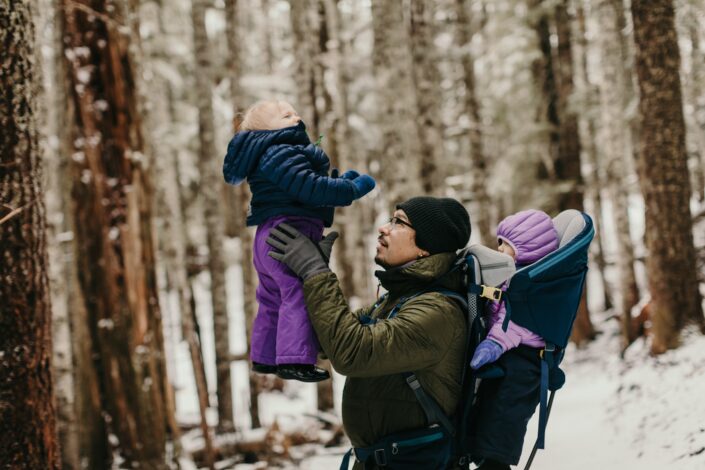
A Sense of Normalcy During Chaos

  • “Though we've always enjoyed time spent outside, it has felt even more imperative to our overall well being during this pandemic. Most days feel so mundane and routine, but the possibilities in nature are endless (especially with a toddler with an ever-expanding imagination), and seeing the landscapes and seasons change is a much-needed reminder that this, too, will [hopefully] not be permanent, as much as it may feel that way at times.”  - Kristen from Chicago, IL
  • “Our kids ask to go outside almost every day, so I didn't spend much time thinking about the impact it had on our life - until the wildfires this summer caused the Air Quality Index in Seattle to be the worst I've ever seen and kept us inside for a week. That first walk outside after a week of it not being an option felt almost giddy and I've made more of an effort to emphasize outside time in the evenings now. I think it makes our family of four kinder, more patient, and better sleepers when we get outside time on a regular basis.”  Shannon from Seattle, WA
“Hiking has kept our family from going crazy during the pandemic. Seeing the natural landscape reboots our brain, the fresh air makes us feel rejuvenated. We are socially isolated because we want to protect my 83 yo mom (lives with us) and my 89 yo dad (he is still independent!).” -  Emma from San Diego, CA
  • “We love being able to go hiking and forget about our worries of rising COVID cases, schools going back to remote, and other issues. We have found many trails that aren't frequented by others and it feels so safe just being out in the woods by ourselves.” - Valerie from Adirondack Coast, NY
  • “Being outside has given our family a sense of normalcy. When we are out playing, as long as we are far away from others, it’s like nothing in our world has changed.” - Emylee from Mukilteo, WA

For more inspiration to take advantage of the amazing, restorative power of spending time in nature head over to L.L. Bean Outside.  You'll find inspiring stories of the power of nature and community along with tips and tricks for fulfilling new outdoor experiences.


About Hike it Baby

Hike it Baby is a 501(c)(3) nonprofit that works to create a world where everyone can enjoy the physical and mental benefits of spending time outside. We are focused on creating opportunities and removing barriers to access so families with babies and young children can take their first steps outside. We believe all families have the right to connect with nature, benefit from spending time outdoors, and be inspired to a lifelong love of nature. Since its grassroots inception in 2013, Hike it Baby is a growing community of 270,000 families and over 400 volunteer branch ambassadors. More information, as well as outdoor engagement events, can be found at HikeitBaby.com, Facebook, YouTube, Pinterest, and Instagram.
 
Photos courtesy of Jessica Shaefer Human, Krystal Weir, and Tais Kulish.

This post was sponsored by L.L. Bean.


Editors Note:
We hope you enjoyed reading this article from Hike it Baby. We’re working hard to provide our community with content and resources that inform, inspire, and entertain you.
 
But content is not free. It’s built on the hard work and dedication of writers, editors, and volunteers. We make an investment in developing premium content to make it easier for families with young children to connect with nature and each other. We do not ask this lightly, but if you can, please make a contribution and help us extend our reach.

Community tags

This content has 0 tags that match your profile.

Young Explorers (Walker +)

Comments

To view comments or leave a comment, login or sign up.

Related Content

0
Leave No Trace with Little Ones: Teaching Kids Outdoor Ethics
You may have heard about the Leave No Trace movement, but what does it mean to “Leave No Trace”? Is that even possible when you have kids in tow? The answer is yes, sort of. The mission of Leave No Trace is to educate and inspire everyone to protect the outdoors by teaching people to enjoy the outdoors responsibly. It isn’t about leaving zero trace; it’s about reducing our environmental impacts whenever possible. That may seem daunting when attempting to wrangle a toddler on a trail, but we are here to help! We have listed each principle below, along with some tips and tricks for following them when you have little ones in tow.   Photo by Jessica Human Principle 1: Plan Ahead and Prepare – Know Before You Go Getting lost on the trail or caught in a storm while hiking can be a stressful experience. Add a few little ones to the equation, and things can get downright harrowing. While these experiences aren’t always avoidable (like an unexpected rainstorm), planning ahead can help you avoid most of these stressful experiences. Here are some tips to involve your kiddos in this step: Have your kids check the weather forecast with you and help them decide what clothing they should wear. Look at a trail map with your kiddos (a paper map, an online map, or a phone app) and decide which route you want to take. If they are old enough, let them pick out their own snacks to bring along. Older kiddos can pack their own adventure pack to take along with things like a snack, water, and adventure tools (like a journal and a pocket microscope). Principle 2: Travel and Camp on Durable Surfaces – Stay on the Trail Keeping kiddos on the trail can be challenging. They are natural explorers and want to investigate every little thing they discover. However, exploring off trail can lead to trampled vegetation, increased erosion, and damaged animal habitats. A durable surface includes established trails and campsites along with areas with rock, sand, gravel, snow, and dry grass. If you need to go off-trail (like for potty breaks that just can’t wait), seek out these durable surfaces whenever possible, and walk lightly, avoiding as much vegetation as possible. Here are some tips for keeping kiddos on the trail and decreasing your impact on the trail. Take a potty break when you get to the trail to reduce the number of off-trail excursions. Play silly games with kiddos with the primary goal of staying on the trail. For example, you can pretend that the vegetation on either side of the trail is lava, and they have to stay as close to the trail's center as possible to avoid the heat. You can also play the “ninja” (sometimes referred to as “secret spy”) game, in which kids have to step as lightly and quietly as possible and disturb as little as possible to avoid “detection.” Have a conversation with your kids about what happens when many people go off-trail. Point out signs of erosion and destroyed vegetation along the trail. Photo by Jessica Human Principle 3: Dispose of Waste Properly – Pack it in, Pack it Out Kids are messy creatures. Aside from their affinity for mud puddles, there are also spilled snacks and the occasional diaper explosion. It’s a good thing to remember that anything that wasn’t found in nature (like the mud) should be packed out. This includes spilled snacks. It may seem harmless, but those snacks usually end up in the stomachs of wildlife. This can lead to illness (I doubt any animals have fishy crackers as part of their natural diet) and increased dependency on humans. Once animals depend more on humans, they lose their fear of humans, which can be dangerous for them and us. Here are some tips for disposing of waste properly with kiddos in tow. Always have a bag on hand to collect your trash (and any other trash you may find) along the way. This could be as simple as a plastic grocery bag or a specific reusable trash bag. Whenever you stop for a snack or meal break, have everyone use their “owl eyes” to find any trash left behind before heading back out. Principle 4: Leave What You Find This is another tricky principle to follow with little ones. Especially if you have a rock collector like I do! While taking natural objects, picking flowers, carving on trees, etc. may seem harmless, it can damage the ecosystem, especially when a lot of people are doing it. Rocks, sticks, flowers, and even pine cones serve as shelter and food sources for various organisms. If the plant you pick is invasive to the area, you could inadvertently spread the species as you transport it. That being said, you don’t want to stifle the curiosity of a budding geologist or botanist. Here are some tips and alternatives for keeping your nature collector happy while leaving nature in nature (or at least most of it): Use “do” language to help little ones understand how to interact with nature. Use statements like “let’s be nice with the flowers” or “touch softly”. Encourage your kiddos to use their senses to experience the object IN nature. For example, let them take a few minutes to feel, see, and even smell the object. You can talk about it and then have them replace the object where they found it. Take along some paper and crayons to they can do some leaf or bark rubbings. Have them draw a picture or take a photo of the object. When all else fails, allow them to choose one or two favorite nature finds to take home and replace the rest where they found them. Photo by Jessica Human Principle 5: Minimize Campfire Impacts  Improperly tended campfires are one of the leading unnatural causes of wildfires. If you are camping be sure you know the local regulations on fire and seek out established fire rings when possible. If you need to gather wood, use dead and downed wood that is no larger than the diameter of your wrist and can be broken easily by hand. When leaving, douse the fire with water until it’s cool to the touch. A better alternative would be to use a camp stove for heat and cooking, or a simple lantern for light. Here are a few tips for minimizing campfire impacts with kiddos: Keep flammable objects far away and out of reach from curious hands, and don’t allow kids to play with sticks near the fire. Have children help collect firewood. You can make it a game to see who can be the first to find 5 pieces of dry, downed firewood no larger than the diameter of their wrist. Photo by Deanna Curry   Principle 6: Respect Wildlife Observing animals in the wild is fascinating for both adults and kids alike. Whether you see a deer dash across the trail ahead of you or a woodpecker busily searching for food, there’s just something awe-inspiring about watching wildlife. To keep having these encounters safely, we need to teach our little ones how to respect wildlife. That means keeping a safe distance, never feeding wild animals, and storing food and odorous objects securely while camping. Here are some tips for teaching our kiddos to respect the animals they encounter on their outdoor adventures and to keep the wildlife wild. To help young ones understand what it means to keep a “safe distance”, have them stand with an arm raised to shoulder height with their thumb pointing up. Then have them look at the animal with one eye closed and try to cover it with their thumb. If they are a safe distance away, their thumb should completely block sight of the animal. Remind your kids that insects are wildlife too, and we need to be careful not to harm them. We can admire an intricate spider web or a long line of ants without destroying what we find. Bring along some adventure items such as binoculars and a magnifying glass so that kiddos can observe wildlife safely. Contrary to popular belief, bird feeders can follow the Leave No Trace Principles IF they follow the Audubon Society Guidelines. These include avoiding seed mixtures and cleaning the bird feeders at least every season. If you want to attract a variety of bird species, it is best to have different bird feeders at different heights with different types of seed/food in each of them. Principle 7: Be Considerate of Other Visitors Respecting other people you meet on the trail helps ensure that all can enjoy nature. Modeling and encouraging behaviors such as staying to the right on the trail to let others pass or taking breaks on durable surfaces away from the trail goes a long way to preserving the experience for other visitors. Other good practices include avoiding talking on cell phones or making excessively loud noises while on the trail (when possible). Here are a few tips we use to encourage being kind to others on the trail: If your kids are like mine, they like to pretend to be wild animals when they are on the trail (particularly howling wolves). This can get extremely noisy, so I started challenging them to be quieter animals, such as a bunny or squirrel, or pretend that they are sneaking around like a cheetah. Practice “moving to the right” with your kids while on the trail or on a neighborhood walk. When you practice ahead of time, it can avoid confusion when you ask them to move to the right to let other people or cyclists pass on the trail.   It is important to note that these principles are GUIDELINES, not strict rules. As parents, we know that it is extremely unlikely that we will be perfect at following these principles all the time, and that’s okay! The point is not to strive for perfection all the time. It’s to decrease our impact on the environment whenever and wherever possible and to teach our children to do the same. The tips above can help your family make fewer environmental impacts. You can also check out these other fun resources from Leave No Trace to help your kiddos understand the impact their actions can make on the environment:   Fun Resources from our friends at : Learn the Leave No Trace Hand Motions to help kiddos remember the 7 principles. Check out the Leave No Trace and Bigfoot Activity Booklet for some fun, education activities for older kids. This Trash Timeline Game can be played with kids (and adults) of all ages. Here is a free Online Awareness Course for parents and caregivers who want to learn more about Leave No Trace.   How do you practice the Leave No Trace Principles with your family? Let us know in the comments below!   Created in partnership with  About OutGrown OutGrown is a national nonprofit working to ensure that every family, especially those with babies and young children, can experience the benefits of time outside. Since our grassroots beginning in 2013, we have supported more than 300,000 families with the help of thousands of volunteers across the country. We believe nature belongs to all of us from the very beginning. That means creating opportunities, removing barriers, and supporting families in finding their way outdoors, whether that starts with a stroller walk, a community outing, or a quiet moment under the sky. You can learn more and explore our programs at WeAreOutGrown.org. Editor’s Note Thank you for reading. At OutGrown, we believe content should offer more than information. It should create a connection, support real-life caregiving, and reflect how families grow together through nature. Everything we share is made with care by our team and volunteer community. If this piece inspired you or helped you feel more confident in your outdoor journey, we invite you to support our work by donating today. Your contributions help us keep resources free and accessible to all families. Please remember that the experiences and tips shared in this article are for general information only. They are not a substitute for professional medical, mental health, or safety advice. Always consult with a qualified provider if you have specific concerns or questions. We are glad you are here. We are growing something meaningful together.
0
Enjoying Outdoor Summer Adventures with Little Ones
CREATED IN PARTNERSHIP WITH OUR FRIENDS AT ERGOBABY Don’t let the higher temperatures keep you inside this summer! Even with the littlest additions to your family, there are ways to stay safe while exploring in warmer weather. With extra preparation (and maybe a few new gear items), your family can stay cool while enjoying those long summer days. Check out these tips for what to wear, when and where to go, gear to consider, and fun activities that will surely put a smile on everyone’s face.   What to Wear You may think less clothing is best in warm weather, but you may do more harm than good going this route. The radiation from the sun is most potent in summer since the earth is tilting towards the sun in these months. That means the risk of damage to your skin and eyes is at its highest. Consider these clothing options to cover up the skin (especially sensitive baby skin!) while keeping cool. Sun-Protective Clothing Avoid the sunscreen battle by purchasing sun-protective clothing. This clothing, whether a shirt, pants, etc., offers sun protection while keeping the wearer cool. Look for lightweight options with a UPF rating 50+ for maximum sun protection. Sun Hats Keep those little faces and necks protected with a quality sun hat. The wider the brim, the better protection from the sun’s damaging UV rays. Since the face, ears, and neck are three of the most common areas that develop skin cancer, this article of clothing is essential, especially for little ones. Sunglasses Who doesn’t love a cool pair of shades? They also happen to protect your eyes from damage. Just be sure to look for ones with 100% UV protection to protect those developing eyes (especially if your kiddos have a habit of looking right at the sun after you tell them not to). These clothing items will help tremendously, but be sure to still use sunscreen on any exposed skin for anyone 6 months of age and older (for younger babies, speak to your pediatrician for recommendations on skin protection). Look for a water-resistant broad-spectrum sunscreen with an SPF rating of 30 or higher. Check out this post for more information on choosing a sunscreen and staying safe in the sun.   When and Where to Go When adventuring in the heat, try to aim for early-mid morning or later in the afternoon. The amount of solar radiation hitting the earth is highest between 11:00 am – 3:00 pm. During this time, the temperatures rise, and there is a higher risk of sun damage (especially for sensitive kid skin!). You can also check the UV index on most weather apps to determine how high it is for your location at any time (read this blog post for more information). If you plan to hit the trail or the park, seek options with plenty of shade. This not only makes for a cooler adventure, but it also cuts down on the amount of ultraviolet rays that reach you. Another great option is to choose a trail or location with a water feature. This could be a beach, a creek, or a splash pad. This will help everyone cool off and enjoy the rest of the adventure.   Gear to Consider While we always recommend bringing at the 10 Essentials whenever hiking or adventuring away from civilization, here are some other items to consider (or take special note of) while exploring in the heat. Hydration and Snacks While water and extra food are part of the 10 essentials, I wanted to note them here because they become even more essential in high temperatures. Generally speaking, during moderate exercise in mild temperatures, an average adult should drink around half a liter of water per hour. This number can double a liter per hour during especially hot and humid outings! Kids old enough to drink water should drink roughly half as much as their adult caregivers. Drinking water isn’t enough when you are sweating in the hot temperatures. You also need to replenish the electrolytes and nutrients (such as sodium and potassium) lost through sweat. Check out this article for tips on how to pack trail snacks for summer hikes. Child Carrier So many child carriers are on the market, and they are not created equal, especially when carrying a young one in the heat! For summertime babywearing, seek a carrier with lightweight, breathable fabric without sacrificing support. We love the Omni Breeze from Ergobaby because it’s highly breathable and allows you to carry your little one from newborn to toddler in various positions with no extra insert needed! If you’re looking for an option with a bit more stretch while staying supportive and ultra-lightweight, Ergobaby also has the super breathable Aerloom Baby Carrier, which is one of the lightest carriers on the market (it’s less than 1.5 pounds!). Cooling Accessories If your adventure takes you into the heat for a longer period of time, consider adding some cooling accessories to your gear list. This could be cooling towels (such as Frogg Toggs), portable fans that attach to your stroller or carrier, or a handheld mister to keep your family cool. These products promote the evaporation of moisture from your skin, which can help you better regulate your body temperature in hot conditions. This is especially important for little ones since they are less efficient at temperature regulation compared to adults. Stroller As temperatures rise, attaching a little portable heater (aka your child) to you may not be the best option. Taking along a stroller can be a lifesaver for both caregiver and child! It provides shade and airflow for your child and makes for a less stifling experience. I generally suggest jogging or all-terrain options for trails, but these strollers aren’t as practical for most other summer adventures. Instead, seek out a stroller with features that work for you, such as decent storage space, compact folding capabilities, and a sunshade that provides ample protection from the sun. One great option is the Metro Deluxe Stroller from Ergobaby. It is suitable for newborns to preschoolers with its near-flat recline and plush padding. It also folds up super small, making it easy to travel with or store in almost any vehicle. The adjustable handlebar and expandable storage basket make this stroller work for almost anyone and any adventure. Fun Summer Activity Options There are so many fun ways to explore the outdoors in summer! Here are some of our favorites that are sure to leave everyone smiling while you make lasting memories: Seek Out a Water Source There’s nothing quite as refreshing as playing in the water on a hot summer day. Here are some fun options to keep your family cool while making fun summer memories. Pool Time – Whether you belong to a local pool or have a small toddler pool in your backyard, pool time is a wonderful way to escape the heat while enjoying the outdoors. Creeks, Rivers, and Waterfalls – My family absolutely loves hiking to a water source on hot summer days! These could be slow creeks, narrow rivers, or glorious waterfalls to splash in. Splashy fun also makes the hike back more comfortable and bearable. Splash Pad – Babies and toddlers love sticking their hands and feet in the fountains and features of a splash pad. Head to the Beach – If you live near a lake or the coast, visiting the beach is an obvious choice for summer fun! Little ones love to build sand castles and stick their toes in the surf while hunting for crabs or shells. Farmer’s Markets and Festivals Farmer’s markets are fun to get outside while supporting local farmers and businesses by enjoying local produce and products. Festivals also provide fun entertainment (and rides for some) and delicious, unique food options. Fruit Picking Strawberries, blackberries, peaches, oh my! Picking fruit is such a fun experience, no matter your age. Seek a local you-pick farm to see which delicious fruit (or veggie) options grow near you in summer. Find a Nature Center Many state, local, regional, and national parks have nature centers on their lands. While each center varies, you can find a nice respite from the heat by exploring what they offer and learning about the local flora and fauna. You can also find more information about local trails and programs offered for families and children by speaking to rangers and staff at the nature center. Picnics at the Park Whether the park features a playground, a splash pad, nature trails, or a wide-open field, picnics are a great way to spend time in nature as a family. Pack a cooler or basket with some favorite foods, set out a blanket in a shady spot, and you’re ready to go! Fly a Kite There's just something mesmerizing about watching a kite soar through the air. Both of my boys loved watching me fly a kite in the summer breeze. Now they have their own kites to fly and are still mesmerized! Camping You may think I’m crazy for suggesting summer camping with little ones, but it’s totally doable! With some extra planning (and a little extra equipment to cool you down), camping in the summer may turn into your favorite adventure yet. Check out this post on how to camp with kids in the summer. Nature Scavenger Hunt Who doesn’t love to hunt for nature’s treasures? You can make this a teachable moment for little ones and have them seek out something in every color of the rainbow, or have them practice their numbers by finding 2 leaves, 3 acorns, etc. You can also make them a list of natural items and have them cross them off as they move down the trail. Check out this post for even more nature scavenger hunt ideas. Geocaching You can try geocaching if you want to take your treasure hunting further. Simply download the app (aptly named “geocaching”) and input your location to find caches near you. From there, you can click on an option to find the GPS coordinates, clues, difficulty level, etc. Everything can be done straight from your phone (no special equipment required). Just be sure to have a pen handy to sign the register when you find one! Check out this post for more information on geocaching with kids. Explore the Zoo Visiting the zoo is usually a big hit with kids of all ages, no matter the season. The great thing about visiting the zoo in summer is that they usually have shops, restaurants, or indoor exhibits along the way so you can take a break from the heat as needed.   What are your favorite ways to explore the outdoors in summer with your family? Let us know in the comments below!   Photos by Deanna Curry and Jessica Carrillo Alatorre ABOUT OUTGROWN OutGrown is a 501(c)(3) nonprofit that works to create a world where everyone can enjoy the physical and mental benefits of spending time outside. We are focused on creating opportunities and removing barriers to access so families with babies and young children can take their first steps outside. We believe all families have the right to connect with nature, benefit from spending time outdoors, and be inspired to a lifelong love of nature. Since its grassroots inception in 2013, OutGrown is a growing community of 280,000 families and over 300 volunteer Branch Ambassadors. More information on all of our programs can be found at WeAreOutGrown.org    EDITORS NOTE: We hope you enjoyed reading this article from OutGrown. We’re working hard to provide our community with content and resources that inform, inspire, and entertain you. But content is not free. It’s built on the hard work and dedication of writers, editors, and volunteers. We invest in developing premium content to make it easier for families with young children to connect with nature and each other. We do not ask this lightly, but if you can, please contribute and help us extend our reach.