
Can Spending Time in Nature Play a Role in Disease Prevention?

  1. Share
0 0

Plenty of research has emerged in recent years about the overall health benefits of spending time outdoors, from positive childhood development to lowering the risk factors of high blood pressure and improving memory. Intuitively, we know nature is good for human health. But does time in nature play a role in disease prevention? As we work to contain the rapid and global spread of the COVID-19 virus (coronavirus) through self-quarantine and limiting physical contact with others, let’s look at the relationship between nature and keeping communicable disease at bay.
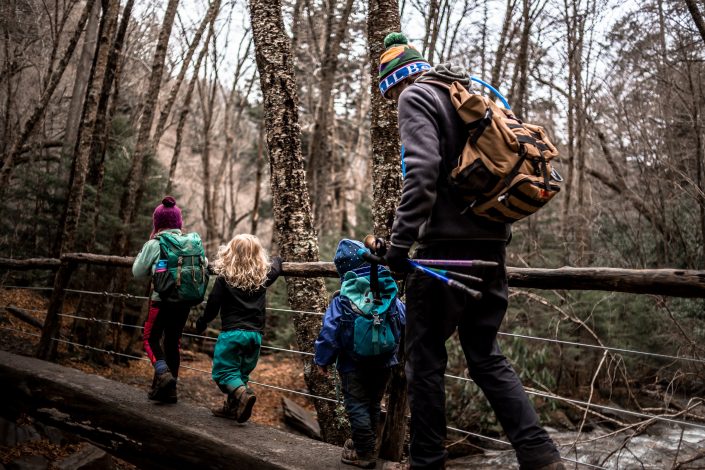
The Outdoors Can Improve Your Overall Health

In the coming months, the CDC expects most of the U.S. population will be exposed to the virus (Yale Medicine). While doctors learn more about transmission, Yale Medicine infectious diseases specialist Joseph Vinetz, MD says, “The best thing you can do at this point is to take care of yourself the way you would to prevent yourself from getting the flu.” Here are a few ways the outdoors plays a role in keeping you healthy: 

Vitamin D

Going outside helps boost your vitamin D intake, which is important for your immune system, as well as your bones, blood cells, and mineral absorption. 

Sleep

The outdoors helps set your sleep cycle, resulting in better sleep. When you don’t get enough sleep, infection-fighting antibodies and cells are reduced. 

Organic Goodness

Many plants put substances, including organic compounds called phytoncides, into the air that seem to boost immune function. Sunlight also seems to energize special cells in your immune system called T cells that help fight infection (WebMD).

Physical Activity

Typically, people are more active when they go outdoors - walking, riding a bike, or kicking around a ball for example. Getting in 30 to 60 minutes of moderate to brisk activity can help your immune system keep viruses at bay. 

Fresh Air

Indoor air can be dirty with pollen, mold, dust, and pet dander. The outdoors, as long as it's not being polluted by heavy industrial activity, offers fresher air. Fresh air benefits a number of systems in your body including your digestive and cardiovascular systems. Fresh air boosts immunity by increasing the amount of oxygen we get, in turn helping white blood cells function properly to kill bacteria and germs. 

The Outdoors Can Limit Exposure

Being outside, even in a community space such as a park or hiking trail, doesn’t pose the same risks as being indoors in a public space. We know that the coronavirus spreads through respiratory droplets produced when an infected person coughs or sneezes. Outdoor spaces also allow you to more easily distance yourself the recommended 6-10 feet from non-family members.   “It’s safer to be outside than inside when it comes to disease transmission. When people congregate together and someone sneezes or coughs, droplets get onto objects that people touch, and then people touch their face,” David Nieman, Dr.PH., health professor at Appalachian State University and director of the Human Performance Lab at the North Carolina Research Campus explains.  So, while the outdoors doesn’t stop the spread of disease, you can feel more confident that you are limiting exposure when outside.

Sunlight vs Coronavirus

Scientists believe that the coronavirus can live on surfaces for multiple days. On cardboard, it can live up to 24 hours and on metal and plastic the virus can survive up to 3-4 days. However, some of the latest data shows that the coronavirus does not last very long on objects outdoors because of the exposure to sunlight. “In general, objects outside should have very little virus on them,” explains David Nieman, Dr.PH. Ian Lipkin, director of the Columbia University's Center for Infection and Immunity, has been studying the coronavirus. He says sunlight can help break down viruses that have been transmitted to surfaces. “UV light breaks down nucleic acid. It almost sterilizes [surfaces]. If you’re outside, it’s generally cleaner than inside simply because of that UV light,” he says. In fact, UV light is so effective at killing bacteria and viruses it’s often used in hospitals to sterilize equipment. Despite this information, we urge you to use extreme caution when it comes to playground equipment and shared outdoor toys. There is always the potential for contamination on these items.  And if you do use these items, be sure to wash your hands thoroughly as soon as possible after use.

The Outdoors and Your Mental Health

These are extremely unsettling, uncertain and isolating times. There is an unprecedented amount of stress, anxiety, and depression in connection with facing this virus. Not only are the effects of the coronavirus itself alarming, but social distancing can also affect your mental health.  Researchers at the University of Utah in Salt Lake City have found that there are significant mental health benefits to be gained from participating in outdoor activities. Outdoor time resulted in reductions in stress and anxiety and an elevated mood after spending time in nature. The overall positive effects documented in these studies were often described using terms such as “psychological healing," "increased sense of well-being,” and “restorative.”  Beyond the benefits of being outside that keep you healthier overall, time spent outside during the threat of disease or infection, such as with the coronavirus, is one of the safest things you can do to improve your physical and mental wellbeing. 

The Hike it Baby 30 Challenge

The Hike it Baby 30 Challenge starts April 1st and encourages all families to spend more time outside. During this time when many communities are facing social limitations associated with the coronavirus, the Hike it Baby 30 Challenge can be done individually or with just your family. Outdoor time can be spent anywhere you feel comfortable, from your backyard to a park or hiking trail. Additionally, the Challenge Facebook group, where participants are sharing their adventures, photos, and motivating each other through comments and discussions, gives you community and connection in a virtual setting.

Learn more and register today!


About Hike it Baby

Hike it Baby is a 501(c)(3) non-profit organization dedicated to getting families outdoors and on trails across the U.S. and internationally, supporting, educating and inspiring families through their more than 300 communities across North America. Since its grassroots inception in 2013 in Portland, Oregon, Hike it Baby is now a growing community of 270,000 families and 500 volunteer branch ambassadors hosting more than 1,600 hikes per month. More information, as well as daily hike schedules, can be found at HikeitBaby.com, Facebook, YouTube, Pinterest, and Instagram. Photos Courtesy of Stephanie Jacobson. Sources:

Community tags

This content has 0 tags that match your profile.

Young Explorers (Walker +)

Comments

To view comments or leave a comment, login or sign up.

Related Content

0
Celebrate Babywearing With Hike it Baby's Top 5 Blog Posts on Babywearing
Happy Babywearing Month! Each year people all over the world celebrate babywearing during the month of October! Not only is the sense of community around babywearing heightened, expanded, and enjoyed, but there is also a focus is spreading babywearing magic with others. Caregivers everywhere share their babywearing stories, introduce others to the joys and benefits of babywearing, and the cultural and historical babywearing traditions are learned and passed on. It is an important month and OutGrown is celebrating too! Since babywearing has become popular in Western culture, it has changed the way we experience the outdoors with our families. Whether you are using a ring sling, stretchy wrap, or soft structure carrier for a walk around your neighborhood or using a frame carrier or soft structure carrier and hitting the trail for a day-long hike, we rely on wearing our babies to make it easier to get outside with our kiddos every day. Even those toddlers with tired legs go up into the carrier once in a while (they make toddler carriers too)! In celebration of babywearing, Hike it Baby is sharing our top 5 blog posts on wearing our babies and toddlers, as well as some important links to additional babywearing information. Our Top 5 Babywearing Blog Posts 1. How Babywearing Benefits You and Your Child Anyone who has experience with babywearing will tell you that it definitely has its benefits. However, there are actual studies out there that provide scientific evidence for these benefits, and it turns out there are many! 2. How to Babywear in the Rain Tips to keep you, your baby, and your carrier dry! 3. How to Tandem Babywear While Hiking More children also mean more tired little legs. You may need to enter the realm of tandem wearing – wearing two children in carriers at once. Here are some general tandem wearing tips to get you started. 4. How to Layer When Babywearing in the Cold Winter is right around the corner! Wearing your baby is a great way to keep baby safe, dry, and warm in winter weather. Get those layers right and you'll be happy on the trail all winter long! 5. Ways to Get Back On the Trail After Having a Baby Being able to wear your baby on the trail is key to getting back outside after baby. But, it's only one component. Check out these tips and advice from our Hike it Baby community to make it easier to get back into nature after having a baby. Additional Babywearing Information Babywearing Basics - Learn all about different carriers, safety tips, and more. International Babywearing Week - This celebration also occurs in October and is all about promoting babywearing across the world! This celebratory week was created by the now-defunct organization Babywearing International, but volunteers stepped up have kept this annual tradition going. Black Babywearing Week - This June celebration is all about uplifting and inspiring black babywearers, while also unifying black babywearing educators, bloggers, and black-owned babywearing companies. Are you planning on hitting the trail to celebrate babywearing month? Visit https://weareoutgrown.org/events to see if there is a scheduled hike near you! Photos courtesy of Deanna Curry and Jessica Human. ABOUT OUTGROWN OutGrown is a 501(c)(3) nonprofit that works to create a world where everyone can enjoy the physical and mental benefits of spending time outside. We are focused on creating opportunities and removing barriers to access so families with babies and young children can take their first steps outside. We believe all families have the right to connect with nature, benefit from spending time outdoors and be inspired to a lifelong love of nature. Since its grassroots inception in 2013 as Hike it Baby, OutGrown is a growing community of 280,000 families and over 300 volunteers. You can find additional information on all of our programs at WeAreOutGrown.org EDITOR’S NOTE: We're thrilled that you are reading this article from OutGrown. Our team is dedicated to bringing you valuable content and resources that inform, inspire, and entertain. However, creating quality content comes with its costs. It's the result of the dedication and hard work of our writers, editors, and volunteers who truly believe in the mission of connecting families with young children to nature and fostering community. As a non-profit organization, we rely on the support of our amazing community. If you are in a position to help, we kindly ask for your contribution to help us expand our reach and continue providing valuable content for everyone. No matter the amount, every contribution counts and allows us to keep growing and making a difference together.        
0
How the Introvert Can Build a Real Community with Hike it Baby
When Social Anxiety Hits Everyone begins walking down the trail. Parents are asking each other questions and swapping stories. You tell yourself you should join the conversation, get to know some of the other parents. After all, look at your child – chattering with a group of kids, becoming fast friends. But the idea of jumping in is overwhelming. According to Jenn Granneman, author of the book The Secret Lives of Introverts, it’s common for introverts to find themselves battling some level of social anxiety. It can strike at any social gathering, big or small, and sometimes without rhyme or reason. It makes it difficult for introverts or those that suffer from more extreme cases of social anxiety, to foster a real community. How Hike it Baby Helps Build Community From our community-led, peer-hosted hikes to the volunteers that keep the organization running, Hike it Baby is founded on building and upholding a strong community. We support all families and empower them to get outside with confidence. Hike it Baby brings families together to create authentic connections and actively commits to diversity and inclusion in our community. Feel ready to do this? Here are a few tips to help you build a community with Hike it Baby. Be Yourself Hike it Baby is an inclusive, judgment-free community of like-minded parents and caregivers that have a shared mission of connecting their kids with nature. If you’re here for this reason, you already have something in common with everyone and a built-in conversation starter. Additionally, members are looking to create a connection with each other. We're all in this parenting thing together, and we want to get to know the real you. Bring a Friend Everyone is welcome to join a Hike it Baby hike. Grandparents, Aunts, Uncles, or your best friend. Just ask them to sign the waiver by signing up for membership. You may feel more comfortable having your sibling, mom or dad, or buddy tag along with you. Bonus if your wingman is an extrovert and can help you strike up a conversation. Plan Ahead In her article, An Introvert’s Guide to Fostering Community, Amy Kessler suggests planning ahead to ease anxiety. Select a hike a few days in advance so you can plan. Try to keep your daily activity around the hike to a minimum so you don’t feel flustered or overtaxed before you get to the hike. Kessler also advises setting time limits. Know how long you can socialize before you feel drained. When you first get started with Hike it Baby, select a short hike or a park and play event so you can leave at your convenience. Learn more about Hike it Baby hike ratings here. Talk to the Hike Host The Hike it Baby calendar provides thorough details about each hike, including trail distance, estimated time, and difficulty rating of the trail. This certainly helps with planning, but if you want more details about the hike, reach out to the hike host. They can answer questions you may have to help ease any anxiety you are feeling about the hike. By introducing yourself ahead of time, you'll already know one person at the hike! Check out this video on how Maria Echaniz found her community with Hike it Baby. Hike it Baby is a friendly and all-inclusive community. We come together to enjoy each other’s company, be healthy and expose our children to the wonders of nature. We understand bringing children on trail can bring unique challenges, so if you need to stop to change a diaper or take a break to feed, we take it together! Learn more about Hike it Baby and start your membership today! About Hike it Baby Hike it Baby is a 501(c)(3) non-profit organization dedicated to getting families outdoors and on trails across the U.S. and internationally, supporting, educating and inspiring families through their more than 300 communities across North America. Since its grassroots inception in 2013 in Portland, Oregon, Hike it Baby is now a growing community of 270,000 families and 500 volunteer branch ambassadors hosting more than 1,600 hikes per month. More information, as well as daily hike schedules, can be found at HikeitBaby.com, Facebook, YouTube, Pinterest, and Instagram. Photo courtesy of Deanna Curry. Sources:  Psychology Today, The Secret Lives of Introverts, Granneman, Accessed 1/21/2020 Boundless, An Introverts Guide to Foster Community, Kessler, Accessed 1/21/2020