Hiking Essentials: What to pack for a day hike

  1. Share
0 0
You’ve made up your mind. You’re going to try this hiking thing that everyone keeps talking about. Or maybe you are still on the fence whether it will be right for you. On the other hand, you may be no stranger to hiking, but you’re unsure of what hiking essentials you’re “supposed” to bring with you on a day hike. Regardless of whether you're a beginner hiker or seasoned pro, the question of “What do I bring with me?” has likely crossed your mind at some point. I often get this question when I invite people to join me for a day hike. Instead of stressing out about whether or not you have everything you need, here's a list of hiking essentials for a day hike - and extra items to consider throwing in your pack  - for your next day hike adventure.
Choose a day pack that suits your needs

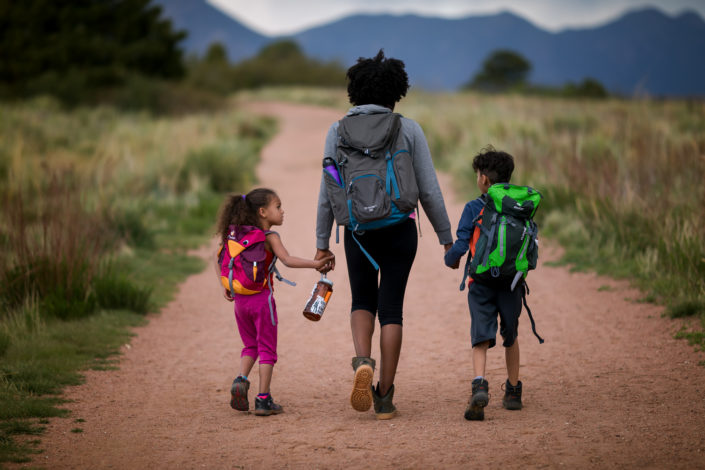
Before I get into what to put INSIDE the pack, let’s talk about the actual day pack. There are a ton to choose from, and your choice relies mainly on personal preference. For example, I prefer a pack that is compatible with a hydration system, which means it has a special compartment that fits a water bladder and allows the bladder hose to secure to the strap of the pack. However, this is not a necessity! Also, the size you need will depend on the amount of gear you carry and how many people are in your party. For example, if you hike with kids, you may have to stuff a few extra items (more layers, more food, etc.) than if you are hiking alone. I recommend finding a local retailer like REI that sells a variety of packs so you can try them out to see what will fit your needs. Personally, I recommend Deuter products since they are of high quality and offer a ton of features. They even have a line of backpacks, the SL series, which is specifically designed to fit a female body better. Hiking essentials by Rebecca Hosley for Hike it Baby  

Hiking Essentials to Carry in Your Pack

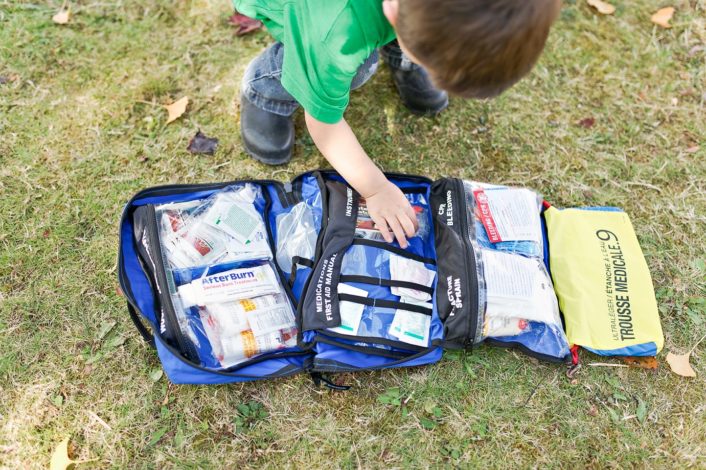
Now that you have your pack, let’s talk about what you should pack. The following is an expert-recommended list of 10 essentials from REI that should always be in your hiking pack. While this list may look overwhelming, you likely already carry many of these items with you on hikes. Most items on this list are very compact and should not weigh down your pack. 1. Navigational tools – Nowadays, most cell phones have GPS functions. However, it is a smart idea to always carry a map with your planned route marked, along with a compass (and know how to use it) in case your phone or GPS unit dies (or decides it is too cold to work). 2. Sun protection for eyes and skin – This is a necessity even in the winter since the glare off the snow can be harmful on the eyes. You will want sunglasses that fully block both UVA and UVB rays. Also, regardless of the season, you will need sunscreen for all exposed skin (especially your lips!) with an SPF rating of at least 15. 3. Insulating layers – Carrying an extra, packable layer of clothing, such as a synthetic mid-layer jacket, can help in case the weather turns bad. It is easier to remove layers if you get warm than add ones you didn’t bring if you get cold! 4. Light source – The type is a matter of preference. A headlamp provides hands-free illumination, though a flashlight can cast a powerful beam as well. Extra batteries for either choice should also be included. 5. First Aid kit – Pre-assembled kits can take the guesswork out of what to include in your kit, and personalized items (such as medications) are easy to add yourself. The size of your party will dictate the size of your kit. We recommend a pre-packaged kit from Adventure Medical Kits, which has a wide variety of kits to choose from depending on your activity. The kits have organized pockets for different medical needs along with a map that shows where everything is in the kit. 6. Fire supplies – A lighter is the most convenient, though waterproof matches are also good to have as a backup. You will also want to include a Firestarter such as small candles, tinder or lint trappings. 7. Multi-tool or quality knife – Useful for food prep, making kindling, first aid and other emergency situations. 8. Extra food – It’s a good idea to include at least an extra days’ worth of food, such as vacuum-sealed meals, energy bars, nuts and beef jerky. 9. Extra water – Carry more than you think you will need, along with a simple way to purify water, such as a small purifier or water purification tablets. 10. Emergency shelter – If you get stranded, you will need a safe, dry place to spend the night. This can include an ultralight tarp, a simple space blanket or even a large plastic trash bag. Hiking essentials by Rebecca Hosley for Hike it Baby  

A few extras to consider for a day hike

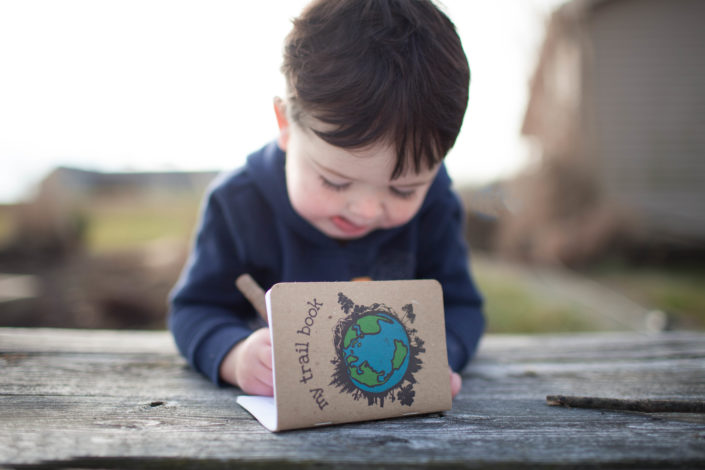
These items have all come in handy for me at one point or another. The need for some of these items may differ based on your location or weather conditions, but I recommend keeping these in mind as you plan a day hike since they can contribute to a more comfortable, positive hiking experience. 1. Trekking poles – While poles are not an essential item, they can definitely make your hike more comfortable depending on the terrain. I rarely used poles when I first started out, but I prefer to have them now with the rocky terrain of the Southern Adirondack Mountains (not to mention the fact that my joints aren’t what they used to be). In addition, they can easily be attached to most day packs when not in use. 2. Insect repellent – Depending on your location, having insect repellent on hand could mean the different between a comfortable hike and a miserable bite-infested nightmare. When I lived in Colorado, I rarely remembered to apply bug spray (a mistake, I know, since ticks can still be a problem). After moving to Georgia and then Upstate New York, I NEVER forget the insect repellent unless weather conditions are frigid since mosquitoes, gnats, ticks and other annoying/dangerous insects are abundant! 3. Duct tape – They don’t call it the “Universal fix-it” for nothing. You never know when it will come in handy. For example, on one particular day hike in Colorado, I was four miles in on an 8-mile loop when the sole of my hiking boot almost fully detached itself from the rest of the shoe. Luckily, I had brought some duct tape with me and wrapped it around my shoe, reattaching the boot sole so that I could hike (albeit a bit uncomfortably) back to the parking lot. Needless to say, I pretty much always carry duct tape with me! Wrapping long strips around a Popsicle stick or even your hiking poles can make it extra packable, taking up little to no room in your pack. 4. Hand and foot warmers – These ultra-packable, long-lasting bags have saved me more than once when I didn’t dress appropriately for a cold hike. If you are stranded overnight, they can help keep you comfortable when the temperature drops. 5. Extra phone battery or portable charging device – Depending on your phone, you will likely need a portable charging device vs. an extra battery. These have become more compact and affordable in recent years, and some can fully charge your phone multiple times. 6. Whistle – While playing Marco-Polo with your hiking companion when you wander too far off the trail for a potty break may sound like fun to some, having a whistle on hand can make things a little less complicated (and save your voice from getting hoarse). Not to mention if you really get into a pickle and need to signal for help! 7. Toilet paper or tissues – This is handy for runny noses and potty breaks, just don’t forget to pack it out with you. Depending on the length of the hike, I usually bring some tissues in a waterproof bag (such as a Ziploc bag) since it takes up less room in my pack. However, if you are going for a long day hike and have multiple companions, a roll of toilet paper may be a better option. 8. Extra storage bags – Storage bags can be used for a number of things, including wet gear, trash, toilet paper, etc. I prefer to use an eco-friendly wet bag since they can be washed and reused (like the kind that holds wet diapers), but plastic bags work as well. 9. Journal – I have recently started bringing a small journal with me on hikes so that I can jot down experiences, things to remember for next time, thoughts/inspirations, etc. If I don’t get it down while it’s happening, I tend to forget by the time I get back to the car. It has helped me get more out of my experiences with nature, and makes for a great keepsake in the future. Hiking essentials by Rebecca Hosley for Hike it Baby   While this list may appear daunting, once you have packed these hiking essentials and extras, you can simply replace what you use along the way and hike with confidence that you are prepared for whatever comes your way. Knowing that I can simply grab my day pack and head out the door gives me little excuse to skip a hike!

Read more:

What other items do you include in your pack? Let us know in the comments below! Photos by Krystal Weir, Jennifer Campbell and Kendra Reeder.

Community tags

This content has 0 tags that match your profile.

Let's Talk Gear & Snacks

Comments

To view comments or leave a comment, login or sign up.

Related Content

0
Enjoying Outdoor Summer Adventures with Little Ones
CREATED IN PARTNERSHIP WITH OUR FRIENDS AT ERGOBABY Don’t let the higher temperatures keep you inside this summer! Even with the littlest additions to your family, there are ways to stay safe while exploring in warmer weather. With extra preparation (and maybe a few new gear items), your family can stay cool while enjoying those long summer days. Check out these tips for what to wear, when and where to go, gear to consider, and fun activities that will surely put a smile on everyone’s face.   What to Wear You may think less clothing is best in warm weather, but you may do more harm than good going this route. The radiation from the sun is most potent in summer since the earth is tilting towards the sun in these months. That means the risk of damage to your skin and eyes is at its highest. Consider these clothing options to cover up the skin (especially sensitive baby skin!) while keeping cool. Sun-Protective Clothing Avoid the sunscreen battle by purchasing sun-protective clothing. This clothing, whether a shirt, pants, etc., offers sun protection while keeping the wearer cool. Look for lightweight options with a UPF rating 50+ for maximum sun protection. Sun Hats Keep those little faces and necks protected with a quality sun hat. The wider the brim, the better protection from the sun’s damaging UV rays. Since the face, ears, and neck are three of the most common areas that develop skin cancer, this article of clothing is essential, especially for little ones. Sunglasses Who doesn’t love a cool pair of shades? They also happen to protect your eyes from damage. Just be sure to look for ones with 100% UV protection to protect those developing eyes (especially if your kiddos have a habit of looking right at the sun after you tell them not to). These clothing items will help tremendously, but be sure to still use sunscreen on any exposed skin for anyone 6 months of age and older (for younger babies, speak to your pediatrician for recommendations on skin protection). Look for a water-resistant broad-spectrum sunscreen with an SPF rating of 30 or higher. Check out this post for more information on choosing a sunscreen and staying safe in the sun.   When and Where to Go When adventuring in the heat, try to aim for early-mid morning or later in the afternoon. The amount of solar radiation hitting the earth is highest between 11:00 am – 3:00 pm. During this time, the temperatures rise, and there is a higher risk of sun damage (especially for sensitive kid skin!). You can also check the UV index on most weather apps to determine how high it is for your location at any time (read this blog post for more information). If you plan to hit the trail or the park, seek options with plenty of shade. This not only makes for a cooler adventure, but it also cuts down on the amount of ultraviolet rays that reach you. Another great option is to choose a trail or location with a water feature. This could be a beach, a creek, or a splash pad. This will help everyone cool off and enjoy the rest of the adventure.   Gear to Consider While we always recommend bringing at the 10 Essentials whenever hiking or adventuring away from civilization, here are some other items to consider (or take special note of) while exploring in the heat. Hydration and Snacks While water and extra food are part of the 10 essentials, I wanted to note them here because they become even more essential in high temperatures. Generally speaking, during moderate exercise in mild temperatures, an average adult should drink around half a liter of water per hour. This number can double a liter per hour during especially hot and humid outings! Kids old enough to drink water should drink roughly half as much as their adult caregivers. Drinking water isn’t enough when you are sweating in the hot temperatures. You also need to replenish the electrolytes and nutrients (such as sodium and potassium) lost through sweat. Check out this article for tips on how to pack trail snacks for summer hikes. Child Carrier So many child carriers are on the market, and they are not created equal, especially when carrying a young one in the heat! For summertime babywearing, seek a carrier with lightweight, breathable fabric without sacrificing support. We love the Omni Breeze from Ergobaby because it’s highly breathable and allows you to carry your little one from newborn to toddler in various positions with no extra insert needed! If you’re looking for an option with a bit more stretch while staying supportive and ultra-lightweight, Ergobaby also has the super breathable Aerloom Baby Carrier, which is one of the lightest carriers on the market (it’s less than 1.5 pounds!). Cooling Accessories If your adventure takes you into the heat for a longer period of time, consider adding some cooling accessories to your gear list. This could be cooling towels (such as Frogg Toggs), portable fans that attach to your stroller or carrier, or a handheld mister to keep your family cool. These products promote the evaporation of moisture from your skin, which can help you better regulate your body temperature in hot conditions. This is especially important for little ones since they are less efficient at temperature regulation compared to adults. Stroller As temperatures rise, attaching a little portable heater (aka your child) to you may not be the best option. Taking along a stroller can be a lifesaver for both caregiver and child! It provides shade and airflow for your child and makes for a less stifling experience. I generally suggest jogging or all-terrain options for trails, but these strollers aren’t as practical for most other summer adventures. Instead, seek out a stroller with features that work for you, such as decent storage space, compact folding capabilities, and a sunshade that provides ample protection from the sun. One great option is the Metro Deluxe Stroller from Ergobaby. It is suitable for newborns to preschoolers with its near-flat recline and plush padding. It also folds up super small, making it easy to travel with or store in almost any vehicle. The adjustable handlebar and expandable storage basket make this stroller work for almost anyone and any adventure. Fun Summer Activity Options There are so many fun ways to explore the outdoors in summer! Here are some of our favorites that are sure to leave everyone smiling while you make lasting memories: Seek Out a Water Source There’s nothing quite as refreshing as playing in the water on a hot summer day. Here are some fun options to keep your family cool while making fun summer memories. Pool Time – Whether you belong to a local pool or have a small toddler pool in your backyard, pool time is a wonderful way to escape the heat while enjoying the outdoors. Creeks, Rivers, and Waterfalls – My family absolutely loves hiking to a water source on hot summer days! These could be slow creeks, narrow rivers, or glorious waterfalls to splash in. Splashy fun also makes the hike back more comfortable and bearable. Splash Pad – Babies and toddlers love sticking their hands and feet in the fountains and features of a splash pad. Head to the Beach – If you live near a lake or the coast, visiting the beach is an obvious choice for summer fun! Little ones love to build sand castles and stick their toes in the surf while hunting for crabs or shells. Farmer’s Markets and Festivals Farmer’s markets are fun to get outside while supporting local farmers and businesses by enjoying local produce and products. Festivals also provide fun entertainment (and rides for some) and delicious, unique food options. Fruit Picking Strawberries, blackberries, peaches, oh my! Picking fruit is such a fun experience, no matter your age. Seek a local you-pick farm to see which delicious fruit (or veggie) options grow near you in summer. Find a Nature Center Many state, local, regional, and national parks have nature centers on their lands. While each center varies, you can find a nice respite from the heat by exploring what they offer and learning about the local flora and fauna. You can also find more information about local trails and programs offered for families and children by speaking to rangers and staff at the nature center. Picnics at the Park Whether the park features a playground, a splash pad, nature trails, or a wide-open field, picnics are a great way to spend time in nature as a family. Pack a cooler or basket with some favorite foods, set out a blanket in a shady spot, and you’re ready to go! Fly a Kite There's just something mesmerizing about watching a kite soar through the air. Both of my boys loved watching me fly a kite in the summer breeze. Now they have their own kites to fly and are still mesmerized! Camping You may think I’m crazy for suggesting summer camping with little ones, but it’s totally doable! With some extra planning (and a little extra equipment to cool you down), camping in the summer may turn into your favorite adventure yet. Check out this post on how to camp with kids in the summer. Nature Scavenger Hunt Who doesn’t love to hunt for nature’s treasures? You can make this a teachable moment for little ones and have them seek out something in every color of the rainbow, or have them practice their numbers by finding 2 leaves, 3 acorns, etc. You can also make them a list of natural items and have them cross them off as they move down the trail. Check out this post for even more nature scavenger hunt ideas. Geocaching You can try geocaching if you want to take your treasure hunting further. Simply download the app (aptly named “geocaching”) and input your location to find caches near you. From there, you can click on an option to find the GPS coordinates, clues, difficulty level, etc. Everything can be done straight from your phone (no special equipment required). Just be sure to have a pen handy to sign the register when you find one! Check out this post for more information on geocaching with kids. Explore the Zoo Visiting the zoo is usually a big hit with kids of all ages, no matter the season. The great thing about visiting the zoo in summer is that they usually have shops, restaurants, or indoor exhibits along the way so you can take a break from the heat as needed.   What are your favorite ways to explore the outdoors in summer with your family? Let us know in the comments below!   Photos by Deanna Curry and Jessica Carrillo Alatorre ABOUT OUTGROWN OutGrown is a 501(c)(3) nonprofit that works to create a world where everyone can enjoy the physical and mental benefits of spending time outside. We are focused on creating opportunities and removing barriers to access so families with babies and young children can take their first steps outside. We believe all families have the right to connect with nature, benefit from spending time outdoors, and be inspired to a lifelong love of nature. Since its grassroots inception in 2013, OutGrown is a growing community of 280,000 families and over 300 volunteer Branch Ambassadors. More information on all of our programs can be found at WeAreOutGrown.org    EDITORS NOTE: We hope you enjoyed reading this article from OutGrown. We’re working hard to provide our community with content and resources that inform, inspire, and entertain you. But content is not free. It’s built on the hard work and dedication of writers, editors, and volunteers. We invest in developing premium content to make it easier for families with young children to connect with nature and each other. We do not ask this lightly, but if you can, please contribute and help us extend our reach.
0
Guide to Choosing the Right Boots for Your Family
An all-in-one guide to footwear for your family's winter adventures! In partnership with the awesome team at Merrell We know that time in nature is good for the mind, body, and soul all year round. However, uncomfortable kiddos (and their adults) make for a less-than-enjoyable experience for everyone. While choosing the right clothing layers is extremely important (check out this article on layering), having the wrong type of footwear can cut your outdoor fun short faster than it takes to say, “don’t jump in that slosh puddle, your shoes aren’t waterproof!” Choosing the right boots for your outdoor adventures is important, but purchasing the right footwear for chilly, wet months can be daunting. With so many options to choose from, how do you know which pair (or pairs) will fit the needs of your family? We have put this guide together to help take the guesswork out of the footwear debate, and help you find the boots that work best for your family. In this Article: Types of Boots Main Factors to Consider Key Boot Features Insider Tips for Choosing the Right Boots Rain boots vs. snow boots vs. hiking boots So you say you want a pair of boots. Boots are boots, right? Well, not exactly. Outdoor boots come in many different “flavors” that fit into three main categories: Rain boots, snow boots, and hiking boots. Rain Boots: If your adventure involves puddle splashing, rainy day adventures, look no further than the classic rain boot. You will generally find the most variety of colors, patterns, and styles in a rain boot, and they tend to be lighter weight and less expensive than hiking or snow boots. That being said, they also tend to come with a bit less traction and do not keep feet as warm as other boot types. Snow Boots: Snow boots are built to keep feet toasty warm when romping in snow and slush. They also come with better traction to navigate slippery terrain. Due to the better insulation, they also tend to be heavier and come with a higher price tag. Hiking Boots: These are the most versatile of the boots listed, depending on the features you choose. If your adventures tend to involve trails and you want a less specialized boot that can be worn over multiple seasons, this may be the way to go. They tend to be lighter than snow boots, but usually don’t provide the ankle support or height required for extra snowy adventures. Also, it can be more difficult to find fully waterproof hiking boot options.   Photo: Michelle Craig Main Factors to Consider The two main factors to consider when choosing a boot are the climate you live/play in and the type of activities you plan to participate in. Climate Your ideal boot selection will vary drastically depending on where you live. A snowy, frigid northern winter will require a high-quality snow or hiking boot with a colder temperature rating (see the section on warmth below). If you get a large amount of snowfall, you may also want to consider the height of the boot you choose. A taller boot will be more effective at keeping feet dry in comparison to an ankle-high boot. In contrast, a mild, drizzly southern winter may only require a set of rain boots. If you live in an area that receives very little (or very rare) snowfall, you may be able to get away with rain boots if you pair them with high-quality, warm wool socks (see tips section for budget-friendly hacks on how to make rain boots work in snow). Activity In addition to climate, it’s important to consider your intended outdoor activities when deciding which boot will work for you. If your kiddos will be wearing the boots to school, you may want to investigate flexible, breathable options (sometimes referred to as “sneaker boots”). If tromping through the snow on a winter hike is more your style, you will want to look for a boot with good traction and an appropriate temperature rating. Looking to puddle jump and keep feet dry on splashy afternoons? A tall rain boot may be just what you’re looking for. Key Features to think about: With your climate and outdoor activities in mind, some boot features will be more important than others. Here we have listed some of the key features to consider when choosing the right boots for your family. We highly suggest researching the features of any boots you are considering (either online or through an outdoor recreation store) to determine which of these features they have and which they are lacking. Waterproofing If your kiddos are like mine, they gravitate towards anything wet; puddles, snow, slush, etc. Unless you live in an area that stays fairly dry, I highly recommend purchasing waterproof boots. Even water-resistant options can become very wet and uncomfortable quickly. Fit and Comfort This one seems obvious, but trying to ask a distracted child how a boot “feels” can get you nowhere and lead to future issues. If possible, get yours and your child’s feet sized for BOTH length and width at an outdoor recreation store. I was surprised to discover my kiddo has wide feet, which explained why he often complained about his shoes and preferred to go barefoot. Also, bring the socks you plan to use with the boots when you try on the shoes. Cotton socks will provide a different fit than thick wool socks. Warmth Snow boots (and sometimes hiking boots) usually have a temperature rating that denotes the approximate lowest air temperature at which the boot insulation will keep feet comfortable. Just keep in mind that these ratings are only a guide, and can be affected by conditions such as weather, wearer’s activity level, exposure time, type of sock worn, cold sensitivity, etc. Generally speaking, a wet, snowy northeast winter will require a much different temperature rating compared to a mild, southern climate. Traction Chilly, wet weather often leads to slippery conditions. These conditions can lead to disastrous consequences (such as falls and injuries) when paired with active, excited kiddos or a baby-wearing adult. Choosing a boot with excellent traction (such as Vibram boot soles) can keep your feet on the ground and give you a little extra peace of mind that your family is less likely to slip. Weight Boots have come a long way in the last few decades. Even snow boots have become more lightweight and comfortable thanks to recent innovations in boot design and insulation. Unless your adventure involves long treks in frigid, wet conditions, choosing a boot that is lighter and more flexible without losing the insulation and waterproof properties will ensure that kiddos can have fun in the colder temperatures. Breathability While it’s important to keep moisture out of the boot, it’s also important to let moisture escape. Active families can make for sweaty feet, which can lead to icy toes if that moisture can’t escape. This can also lead to a build-up of odor-causing bacteria in the boot, which can cause boots to smell terrible after only a few adventures. Seek out a boot that is both breathable and contains anti-bacterial properties in the lining to keep feet comfortable and boots smelling fresh. Ease of Use Any caregiver will tell you that getting shoes on an excited toddler can be equivalent to wrangling an octopus. They could be the best boots in the world, but if it takes an hour to get them on your frustrated child, they aren’t worth it. Thankfully, shoe companies have heard our plea and now offer much easier methods to get shoes on little feet. Look for features such as medial zippers and toggle closures when choosing boots for active little feet. Insider Tips for Choosing the Right Boot My family has lived in various climates across the United States, from Colorado to Upstate New York, the Pacific Northwest, and now coastal Virginia. Here are some tips we have picked up along the way, along with tips from our amazing Hike it Baby Community to help you choose the right boots for our family (or make the boots you already have work when purchasing isn’t an option). General Tips Remember that our feet often swell a bit when we're hiking/walking/running, so sizing up can help prevent damage to toenails; especially when hiking downhill. My hiking boots and running shoes are a full size larger than the rest of my everyday shoes. Also, be wary of you or your kids possibly having wide feet. My youngest has wide feet and he swooned when I figured it out and got him Merrell hiking shoes in wide. – Alex Wong, Salt Lake City, UT Spend the extra money on waterPROOF footwear over water-resistant - this distinction has saved me on many, many hikes with wet grass or mud! – Erin, Durham, NC If you're looking to do all-day winter adventures with your little kids, invest in some winter hiking boots. Winter hiking boots will keep feet much warmer than play-quality snow boots. – Valerie, Adirondack Coast The best boot depends on the child, but I have found one thing to be true across the board… If you hike in chilly/cold weather with young children who spend a lot of time in the carrier but also like to hike a bit themselves you need to bring two types of boots. One, a down or similar booty that is strictly for warmth and protection from wind/rain/snow in the air. The other, a waterproof hiking boot that is not too big or too small worn with wool or similar socks. Oftentimes circulation to the feet is slightly inhibited by being in a carrier and heavy boots only make this worse. For families who feel like their child’s feet are always freezing while in the carrier, this will be a game-changer. – Lindsey Weir, Honolulu, Hawai’i (Formerly in Upstate NY and Washington State)   Budget-friendly tips Choose a boot that is versatile and can be worn in various conditions. My son calls his rugged boots “everything but summer” boots because they can be used for most of our outings with just a few tweaks in sock choices. – Becca, Chesapeake, VA It rarely snows where we live, so it doesn't make sense to invest in a lot of winter gear. When it does snow, I put thick wool socks under my son's rain boots. I wouldn't have him hike in difficult terrain that way, but it works well for playing. We also keep extra pairs of adult socks in our bag as backup mittens. They are also good as a way to add an extra layer of warmth to a baby's feet and legs and are hard for small hands to take off. – Carolyn, Greenville, SC I use bread sleeves and rain boots! My big boy’s feet are growing a mile a minute and the “men’s size” price can’t keep up! So, we put feet in wool socks, then bread sleeves, then a rain boot. Works great for hours of play, especially in North Carolina where snow is a once-a-year type of thing. – Kayla, North Carolina For boots that are lacking in traction (either from wear-and-tear or the type of boot), we use Yaktrax or other ice cleats for added stability in icy conditions. They are generally inexpensive and last for years. – Becca, Chesapeake, VA   Try Before You Buy When it comes to finding the right boot, I go to REI and try them on. They have such an amazing return policy that if I am not satisfied with them, I can bring them back. Even if I have hiked or walked in them. I also have done my research on the best boots for flat feet, because I have those and it's not fun. For winter boots I always make sure there is enough room for my feet with regular socks and wool socks and still room for air circulation because that is what helps keep your feet from getting cold. It's the same with my kids honestly. But they usually get second-hand shoes, so it's not always perfect. If it's not a perfect match, I don't feel so bad if they need something else. – Juliana, Alaska When making the selection in the store, bring or wear the socks you’re most likely going to be wearing with that boot/shoe. So often I'm trying on boots in thin cotton socks because that's what I'm wearing at the time but then wearing a thicker sock during the actual activity (like winter hiking) and the shoe/boot doesn't fit as comfortably as it did in the store. – Paige, Milwaukee, WI   Socks Can Be a Game-Changer I think an investment in good wool or synthetic socks would be key for a comfortable hike in any season. These socks will wick moisture off the skin and still insulate when wet. Cotton will soak your skin and keep your feet cold. A shoe with a good tread will add to the ease of hiking in wet, snowy, slippery conditions. And as always, keep a fresh dry pair of socks in the car for the ride home. – Christie, Richmond, VA Make sure you’re matching boots and socks - especially in cold weather, adding an extra pair of socks or thicker socks won’t help if your boots don’t have enough room for the extra volume, so size up if you’ll be adding extra sock volume. Especially important for folks with wide or tall feet that are already prone to being a bit squished if we’re not careful. – Gaila, Ames, IA Use different socks for different adventures but STAY AWAY FROM COTTON! Wool and synthetic socks come with different levels of thickness and cushioning, with thinner socks being great for summer adventures and thicker, more cushioned socks being ideal for colder conditions. – Becca, Chesapeake, VA Do you have extra tips on choosing the right boots to fit your family's needs? Let us know in the comments below!   ABOUT OUTGROWN OutGrown is a 501(c)(3) nonprofit that works to create a world where everyone can enjoy the physical and mental benefits of spending time outside. We are focused on creating opportunities and removing barriers to access so families with babies and young children can take their first steps outside. We believe all families have the right to connect with nature, benefit from spending time outdoors and be inspired to a lifelong love of nature. Since its grassroots inception in 2013, OutGrown is a growing community of 280,000 families and over 300 volunteer Branch Ambassadors. More information on all of our programs can be found at WeAreOutGrown.org    EDITORS NOTE: We hope you enjoyed reading this article from OutGrown. We’re working hard to provide our community with content and resources that inform, inspire, and entertain you. But content is not free. It’s built on the hard work and dedication of writers, editors, and volunteers. We make an investment in developing premium content to make it easier for families with young children to connect with nature and each other. We do not ask this lightly, but if you can, please make a contribution and help us extend our reach.