
How to Lead Your First Hike: Simple Tips for Parents & Caregivers

  1. Share
0 0

Leading your first hike can feel exciting—and a little intimidating. Whether you're stepping into a leadership role for a local nature group or simply inviting friends to join a trail outing, this guide will help you prepare, plan, and feel supported every step of the way. From choosing the right trail to making families feel welcome, these beginner-friendly tips will help you have a positive first experience. This resource is part of our evergreen library. We periodically review and update it to keep the content valuable and relevant for both new and seasoned leaders.

Hike it Baby is so happy that Stephanie worked up the courage to lead her first hike! She has generously shared her story here with tips on how to make your first hike-leading experience one to remember fondly. Have you found other hiking friends on various social media like she has? If so, share the love and tell them all about Hike it Baby and how great it is to hike with us!


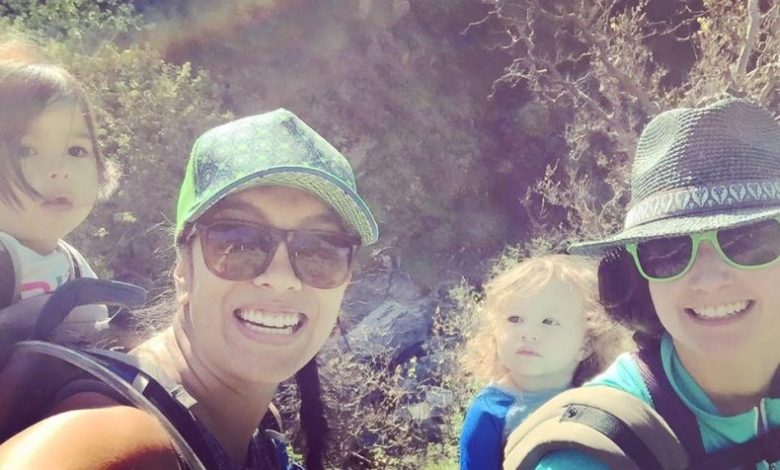
  I’ve recently started leading hikes with Hike it Baby and I have to say I was very timid at first. While I can easily get out and do hikes on my own with my own children, I found it very intimidating at first to join a larger group with other moms and kids. More than one meltdown, not enough snacks, and weather conditions were all thoughts that passed my mind at some point. But after leading my first hike (and consequently experiencing meetups with other moms on the trail), I felt a better sense of community and was grateful that there are other moms out there who could relate to my same anxieties. Here are few things to keep in mind when you’re thinking about joining other moms or groups on hikes with children so you can enjoy the experience and worry less. Tips for Joining or Leading a Hike for the First Time
  • Add the hike to your calendar and set a reminder.

I’m the first to admit, I get caught up in planning the actual hike with other people that I tend to forget to even add to my calendar. Yikes, right? I’ve now made it a point to immediately add the hike to my calendar, even if someone may cancel or the hike needs to be postponed. I even add the event link or email as well for easy reference. Setting a reminder will give you enough time to prepare for your hike before it’s time to go.

  • Prepare your gear and supplies the day before

I’m a true advocate for preparation and getting things ready the day before. I try to pack up my carrier with extra snacks for us and others (in case someone forgets a snack or wants to share - which can be the case with kids!), fill my water bladder, and get out my socks and clothes the kids and I plan on wearing. I also do a weather check to see how the weather is going to be and make any last-minute wardrobe changes as needed.

  • Remember, there are other moms (caregivers) with children.

It’s really easy to get into the mindset that something will prevent you and your child from enjoying a hike in the presence of other moms and kids: tantrums, sleep deprivation, fussiness, and hunger are all ailments that might spoil your experience. I had to train myself to know that these things will play a part in my experience because my kid is a toddler, and that’s what toddlers do sometimes. But, staying focused on other moms and their children will allow you to enjoy the hike that much more and show your child that collaboration and meeting new friends can be fun.

  • Do some group activities on the trail

Hiking with kids is challenging, especially if your child is getting at the age, like mine, where they want to explore more and be on their own. This is a great opportunity to do some fun activities that will keep your child interested throughout the duration of the hike. Exchange ideas with your new mom friends and kids as to what they’d like to do, and take turns trying the activities out together as a group.

  • Sharing is caring

Having a variety of snacks on the trail has been one of the most successful tips that have worked for me when I’m on the trail in a group. I try to keep a bagful of snacks, including granola bars, raisins, nuts, and fruit snacks. Everything is individually packed in case someone else would like to share in the snacking. Have your child offer some of their snacks to whomever wants.

  • Keep in mind that there may be occasional stops and breaks during the hike.

I always try to keep my expectations in check when hiking with other moms and kids. There will be some stopping and there will be some breaks for diaper changing, etc. Your pace by yourself is very different than when you’re in a group hiking. I like to check in with people throughout the hike, and this makes us all feel more comfortable, knowing we aren’t racing to the end. As long as you commit to going at your own pace as a group, there won’t be any pressure to get done quickly. Besides, your kids feel that nervous energy, and it will only make them anxious.

  • Ways to connect with the outdoor community to get started

The best ways to find a group hike and join one with new friends are Through Social Media and Facebook Groups. I found Hike it Baby through Facebook and found friends to hike with from Instagram and previous posts. This is a great way to meet other moms who enjoy the same things you do without any fuss. I also connect with other moms who may hike with their kids and write blogs because they have many resources to branch out from and meet other moms that I may not know. Here are some resources and things to keep in mind when looking for kid-friendly hikes to join around you:

  • Use Instagram for searching for hikes via photos
  • Meetup.com
  • Stroller Hikes
  • Facebook Groups using search terms like “Best Hikes For Children (enter your city/region here)”
  • Reach out to your local outdoor company and see if they have a blog or events calendar. Most hikes will be listed there.
  • Check out a book at the library or look for library events highlighting kid-friendly/local hikes.

Stephanie Harper is a mother of four, an avid hiker and runner. Follow her family adventures, recipes, and tips to inspire you to get outdoors more at raisingkidswild.com.


ABOUT OUTGROWN
OutGrown is a 501(c)(3) nonprofit building a world where families with babies and young children can grow up connected to nature and to each other. We focus on the earliest years of life, providing families with the support, community, and resources they need to feel welcome, included, and confident outdoors.

Through volunteer-led communities, nature-based programs, and family-centered tools, we help remove barriers and expand access to outdoor connection. Since our grassroots start in 2013, OutGrown has reached more than 300,000 families across the country, supported by a vibrant network of over 300 volunteer leaders.

Learn more at WeAreOutGrown.org

EDITOR’S NOTE
Thanks for spending time with this piece. At OutGrown, we create content rooted in real life, built to support families, reflect lived experiences, and celebrate the small, meaningful ways we connect with nature.

Every article, guide, and reflection is part of our mission to make the outdoors feel possible, welcoming, and worth showing up for. If this resource helped you feel more confident, seen, or inspired, we invite you to support our work.

We are a small team building something lasting. Your contribution helps us reach more families and keep this work going strong.

Donate or learn more at WeAreOutGrown.org

Community tags

This content has 0 tags that match your profile.

Stages of Childhood

Baby (Newborn to Crawler)

Comments

To view comments or leave a comment, login or sign up.

Related Content

0
What Is the 10 Minute Walk & Why Your City Needs It
Have You Heard About the 10-Minute Walk Initiative? Suppose you believe that access to parks and green spaces improves physical and mental health, especially during times of crisis, or that life simply feels better when nature is close by. In that case, you are already aligned with the vision behind the 10 Minute Walk Initiative. Photo by Monique Vargas What Is the 10 Minute Walk Initiative? The 10-Minute Walk Initiative is a nationwide effort to ensure that everyone in the United States has safe, easy access to a quality park within a ten-minute walk of home by the year 2050. This is not just a goal for green-friendly states like California or Colorado. It is a promise for every city, every neighborhood, and every family. Want to know if your city is part of it? Visit the 10 Minute Walk website to see if your mayor has signed on. If you do not see your city listed, you can do what some of our community members have done: sign up for updates and learn how to get involved. You may even be able to encourage your local leaders to take part. If you are part of the OutGrown community, you already know our roots go back to the Hike it Baby movement and its guiding value: Leave No Family Behind. That means no matter your pace, parenting moment, or personal identity, you belong here. Whether you are changing a diaper, feeding your baby, managing a meltdown (yours or theirs), or just starting, we will not leave you behind. But here is the hard truth: Some families are being left behind simply because they do not have access. Parks are too far, sidewalks are unsafe, and transit is unreliable.  That is why OutGrown supports the 10-Minute Walk Initiative. Ensuring every family has access to nature is the first step in building an inclusive and equitable future outdoors. OutGrown exists to be a hub of tools, stories, and support for families with babies and young children who want to grow up outside, together. Learn more about our mission and how you can be part of it at WeAreOutGrown.org. About OutGrown OutGrown is a national nonprofit working to ensure that every family, especially those with babies and young children, can experience the benefits of time outside. Since our grassroots beginning in 2013, we have supported more than 300,000 families with the help of thousands of volunteers across the country. We believe nature belongs to all of us from the very beginning. That means creating opportunities, removing barriers, and supporting families in finding their way outdoors, whether that starts with a stroller walk, a community outing, or a quiet moment under the sky. You can learn more and explore our programs at WeAreOutGrown.org. Editor’s Note Thank you for reading. At OutGrown, we believe content should offer more than information. It should create a connection, support real-life caregiving, and reflect how families grow together through nature. Everything we share is made with care by our team and volunteer community. If this piece inspired you or helped you feel more confident in your outdoor journey, we invite you to support our work by donating today. Your contributions help us keep resources free and accessible to all families. Please remember that the experiences and tips shared in this article are for general information only. They are not a substitute for professional medical, mental health, or safety advice. Always consult with a qualified provider if you have specific concerns or questions. We are glad you are here. We are growing something meaningful together
0
10 Benefits of Spending Time Outside
This blog was written in partnership with our friends at Turtle Fur. Every season has its challenges when it comes to finding the motivation to get outdoors. It could be too hot or too cold; too wet or too dry; too dark, windy, smoggy or muddy. We feel stuck indoors and our physical, mental and emotional well-being can take a hit because of it. “Spending time in nature is linked to both cognitive benefits and improvements in mood, mental health and emotional well-being.” American Psychological Association. That’s why it’s so important to try to spend at least 10 meaningful minutes outside each day. The health benefits of spending time outside Getting a breath of fresh air can do more than improve our lungs—there are many proven benefits for the whole family to spending time outside. Benefit: Increased serotonin Exposing the body to sunshine naturally increases serotonin levels—those "happy" boosters we produce that impact things like our memory, stress, digestion and sleep.   Benefit: Increased Vitamin D Sun exposure is also a great way to naturally absorb vitamin D. We need vitamin D for healthy bone growth but also to help control cancer cell development, infections and inflammation in our bodies.   Benefit: Reduced cortisol levels
 Cortisol is the hormone that helps give us the energy we produce to wake up in the morning and also helps us fall asleep and rest as levels lower in our body. When we have high levels of cortisol we can suffer from things like anxiety, weight gain and heart disease.   Benefit: Burned calories
 Exercise outdoors has the added benefits of natural inclines, wind resistance and varying terrain—all of which add to more calories being burnt from something as simple as a stroll around the block.   Benefit: Improved memory, focus and attention Studies show that nature directly contributes to enhanced brain development in children who spend quality time outdoors. Nature itself helps to decrease the heart rate and blood pressure, regulate body temperature and helps with cognitive skills, memory and attention.   Benefit: Decreased risk of heart disease The combination of increased vitamin D, reduced cortisol and easing physical tension in our bodies from time spent outdoors contributes to a decreased risk of developing heart disease.   Benefit: Improved sleep Falling asleep can be difficult when your body isn't in the right rhythm or is too wound up to get restful sleep. Spending time outdoors helps our brains sync with a sleep/wake cycle and fall into a more healthy pattern of day/night energy.   Benefit: Eased depression symptoms
 Spending more time outdoors increases the likelihood of feeling connected to nature—and can therefore lead to feeling less isolated and depressed.   Benefit: Boosted immune function
 It's not just a breath of fresh air that helps us feel better as we escape from indoor germs and bacteria—sunlight may activate T cells in our immune system to fight infections and some plants release immune-boosting phytoncides into the air.   Benefit: Increased happiness and peacefulness When we soak up natural sunlight, breathe fresh air and appreciate the beauty of nature on a consistent basis, we increase our ability to feel true happiness and peace. We feel more connected, less confined and at ease from all the benefits of spending meaningful time outdoors regularly. Make it a habit to get outdoors every day Try to make it a habit to spend time in nature every day by starting small and finding others to motivate you and your family. Take a little extra time as you do your daily activities outside—like when you are walking into work, school or running errands. Find accountability buddies or communities with like-minded goals and inspire others while you achieve yours! Soon, it will become "natural" to spend more time in nature and you will reap the benefits of improved mental, physical and emotional well-being. Want to view more studies and learn more? We think this article is a great resource. Looking for a fun way to support our Hike it Baby program? Check out the Totally Tubular Comfort Shell from our partner, Turtle Fur! About OutGrown OutGrown is a national nonprofit working to ensure that every family, especially those with babies and young children, can experience the benefits of time outside. Since our grassroots beginning in 2013, we have supported more than 300,000 families with the help of thousands of volunteers across the country. We believe nature belongs to all of us from the very beginning. That means creating opportunities, removing barriers, and supporting families in finding their way outdoors, whether that starts with a stroller walk, a community outing, or a quiet moment under the sky. You can learn more and explore our programs at WeAreOutGrown.org. Editor’s Note Thank you for reading. At OutGrown, we believe content should offer more than information. It should create a connection, support real-life caregiving, and reflect how families grow together through nature. Everything we share is made with care by our team and volunteer community. If this piece inspired you or helped you feel more confident in your outdoor journey, we invite you to support our work by donating today. Your contributions help us keep resources free and accessible to all families. Please remember that the experiences and tips shared in this article are for general information only. They are not a substitute for professional medical, mental health, or safety advice. Always consult with a qualified provider if you have specific concerns or questions. We are glad you are here. We are growing something meaningful together.