
Six Benefits of Renting Camping Gear for Your Next Family Camping Trip

  1. Share
0 0

Take the Guesswork Out of Packing for Your Camping Trip

Summer may be coming to an end, but your camping adventures don’t have to. With lower temperatures, less traffic at campsites and the gorgeous colors of changing foliage, fall is arguably the perfect time to set out on a camping adventure with your family. However, between school and work schedules along with extracurriculars, it can be hard to scrounge up the motivation to gather up the necessary gear and get your family out the door for a campout. That’s where gear rentals come in handy. Camping gear rental companies,  such as Xscape Pods, can take the guesswork out of packing for a camping trip. They provide custom car camping and backpacking pods for up to eight people. Pods include everything from sleeping bags and tents to cook sets and roasting skewers, all of which are high-quality, name-brand gear. You simply order online and they will ship the pod to your door (if you're local to Portland, Oregon you can pick up at their store), enjoy the gear on your campout and then return it. Check out these six benefits to renting vs. buying your camping gear, and start planning your next fall family camping adventure.
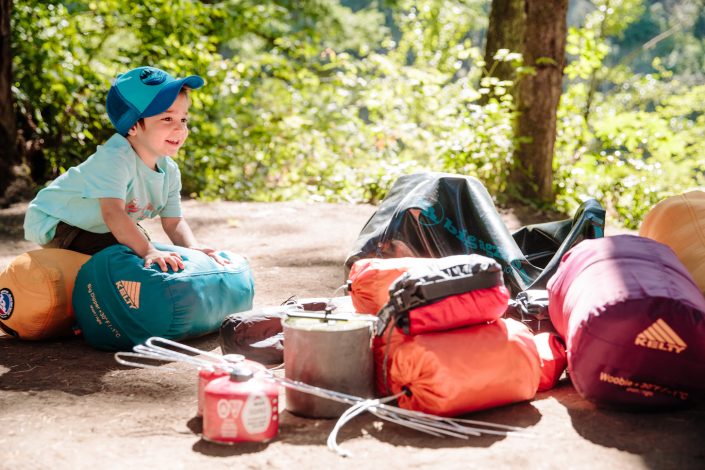
1. Great for Beginners

If you are new to camping the sheer amount of equipment needed can be overwhelming. Renting allows you to “try before you buy” to see if you like it enough to spend the money to buy your own gear. If you find you can't live without some of the equipment in your pod, you can keep it. Xscape pods list the price for each item on the pod lid and will simply charge your credit card for any equipment you decide to keep.

2. Save Money

Speaking of spending money, if you know you will likely be an occasional camper, it can be more cost-effective to simply rent the gear when you need it rather than buying the gear that may sit around gathering dust and cobwebs in your garage.

3. Great for Travel

Instead of trying to pack your camping gear into your car or paying an airline to stow it, why not either pick it up at your destination or get it shipped? You can get an Xscape Pod sent to a friend or family member or even an AirBnB or hotel.

4. Stress-Free Packing

There is enough to plan and think about when traveling anywhere with kids. Ease your mind and ensure all your gear is accounted for by grabbing a pre-packed pod. This also saves a ton of time since it requires no equipment packing beforehand and no camping gear clean out (no need to air your tent out in the front yard) afterward. That means all the sand/dirt that ends up EVERYWHERE is not your problem (sorry, they can't do your laundry for you!). Benefits of camping gear rental
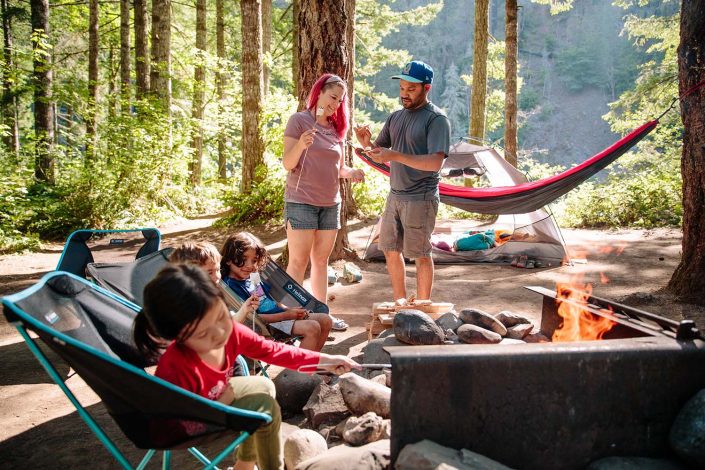
5. Make it Work for You

Kids change quickly and so do their needs, therefore, you can rent the perfect equipment for your season of life. As kids get older they may want their “own” space, or you may find that one cook stove isn’t enough for what you have planned. Xscape Pods also rents out equipment a la carte such as extra tents, stoves, coolers, headlamps, etc. so that you can get what you need when you need it instead of buying gear you may outgrow quickly.

6. The “Cool” Factor

If your kids are like mine, anything new to them adds a “cool” factor to the experience. Have them help unpack the “mystery camping box” and make set-up an adventure for the whole family. This helps to keep moods high and adds some fun to the camping journey. And the best part is that the gear is returned before the novelty wears off. Have you tried renting camping gear? How was your experience with it? Let us know in the comments below!
Connect with a community of like-minded families by making a membership level donation to Hike it Baby. Learn more about membership levels and join today! Hike it Baby is a 501(c)(3) non-profit organization dedicated to getting families outdoors and on trails across the U.S. and internationally, supporting, educating and inspiring families through their more than 300 communities across North America. More information on memberships, making a donation, and daily hike schedules can be found at HikeitBaby.com. Photos by Michelle Pearl Gee

Community tags

This content has 0 tags that match your profile.

Let's Talk Gear & Snacks

Family Adventures

Comments

To view comments or leave a comment, login or sign up.

Related Content

0
The Ultimate Guide to Camping with Kids
Camping is one of those outdoor adventures that leaves lasting memories and provides stories for years to come. Camping with kids? That’s a whole different animal. While the memories and stories will still be there, the mere thought of bringing kids camping is enough to strike fear into the hearts of parents everywhere. What if they don’t sleep? What if they try to pet a wild animal? What if they get bored and whine us to death? While these are all legitimate concerns (especially that last one), with the right planning, you can make sure your overnight adventure under the stars goes smoothly, and we are here to help. Read on for advice on how to make camping with kids your new favorite outdoor adventure.   Picking Your Site Before you even think about what to bring, you’ll want to think about where you are going. Camping with kids brings extra considerations that may not come into play when camping with only adults. You will want to find a site that is fairly close to a bathroom if your kiddos are potty training or a little shy to do their business in the woods. Also, if the campground has water features (such as a beach or a creek), you may want to choose a site that isn’t right on the water if you are worried your kiddos will run right in. Lastly, the volume can be an issue at some campgrounds, especially those that have sites close together. Seek out a campground with large sites or book two sites next to each other to help prevent the all-night party crowd from keeping your kids up at night.  Here are more tips on what to look for in a kid-friendly camping site. Also, this article gives tips on how to stay safe while camping during the COVID-19 pandemic. Sleep Soundly  By far the biggest concern we hear regarding camping with kids is how to get them to sleep in unfamiliar territory. We hear questions like “what if they never fall asleep?”, “What if they get too cold?”, “What if I wake them up?, and “What if they wake up raring to go at 4 am?”. The list of worries may be long, but trust us, the family memories are worth it! Here are a few tips we have picked up along the way to help ease your worries: Warm comfy sleep is essential. Check the weather report and pack layers if needed. If it’s going to get really chilly you may want an extra blanket under and over your sleeping bags. For the youngest kiddos and babies, rigging up a warm and safe sleeping solution can be tough. A sleeping bag specifically made for little bodies is a great option to help them regulate their body temperature at night. Morrison Outdoors specializes in safe, comfortable sleeping bags for children as young as 6 months. For more information and reviews for these kid-approved sleeping bags, check out this article. Wear them out! This is generally pretty easy since there is so much to explore. Plan activities that will expend plenty of energy such as hiking, swimming, or riding bikes. If possible, be flexible with bedtimes. That doesn’t mean throw your routine out the window, buthttps://morrisonoutdoors.com/?aff=1 with little escape from the sunlight, it may be hard to get kiddos to sleep at their normal time. Letting them stay up an extra hour will feel like a treat for them and mean less struggle for you when it comes time to hit the sleeping bags. Decide how you want to configure your sleeping arrangements ahead of time, and practice at home if possible. You may find that a 4-person tent just isn’t big enough to accommodate a family of 4 when you factor in sleeping pads/mattresses, the use of a portable crib, and your gear. Check out this article for more information on how to sleep in a tent with young kids.  What to Eat Bring snacks! And more snacks! For dinner, there is nothing wrong with the tried and true “hotdog on a skewer” camping meal, but you may be wondering if other easy options exist (especially ones that include more than just the meat food category). From delicious skillet meals to foil packets, you can prepare at home, this article has tons of tips on easy camping meals for kids. For recipes broken down by meal type (breakfast, lunch, dinner, and dessert), start with these fun and kid-friendly camping recipes. Seasonal Tips Every season brings new advantages (and challenges) to camping. For seasonal-specific tips, check out these articles for tips on cold-weather camping and how to layer for winter camping, and this article for planning a summer camping adventure. More Tips For more specific information, check out the topics below: 10 Things You Wouldn’t Think to Bring on Your Next Camping Adventure But You Should  Camping hacks from our Hike it Baby Community  Camping with Toddlers  Things to Know for your First Camping Trip  Nighttime Activities for Camping with Kids  Planning a Beach Camping Adventure  Camping with Kids Gear Checklist Here is a helpful, downloadable packing checklist for camping with kids: Download the Checklist Here   ABOUT OUTGROWN OutGrown is a 501(c)(3) nonprofit that works to create a world where everyone can enjoy the physical and mental benefits of spending time outside. We are focused on creating opportunities and removing barriers to access so families with babies and young children can take their first steps outside. We believe all families have the right to connect with nature, benefit from spending time outdoors and be inspired to a lifelong love of nature. Since its grassroots inception in 2013, OutGrown is a growing community of 280,000 families and over 300 volunteer Branch Ambassadors. More information on all of our programs can be found at WeAreOutGrown.org    EDITORS NOTE: We hope you enjoyed reading this article from OutGrown. We’re working hard to provide our community with content and resources that inform, inspire, and entertain you. But content is not free. It’s built on the hard work and dedication of writers, editors, and volunteers. We make an investment in developing premium content to make it easier for families with young children to connect with nature and each other. We do not ask this lightly, but if you can, please make a contribution and help us extend our reach.     This post is sponsored by Morrison Outdoors, however, we would not recommend something that we and our children do not love. Our opinions are our own. This post contains affiliate links. If you purchase through one of those links you won't pay more but Hike it Baby will get a small commission which helps us further our mission. Thanks! This post was inspired by an article originally written in March of 2018.
0
How to Dress Baby for Cold-Weather Camping
IN PARTNERSHIP WITH OUR FRIENDS AT MORRISON OUTDOORS The term “camping” may bring to mind warm summer nights and hot days splashing in the lake. However, there are benefits to camping in colder weather. There are fewer crowds, it’s easier to find prime campsites, there are not as many mosquitoes and biting bugs, and bedtime is less of a struggle since there are fewer hours of sunlight (just to name a few). So why don’t more families camp in colder weather? The biggest question we get from caregivers is “How do we keep our family warm when camping in colder weather?” followed by “there is no way I could camp with my baby in this weather!”.  We promise you, it is possible, even with a young baby in tow. It’s all about the right layers and sleeping environment. Read on for more information on how to layer your baby for a cold-weather camping adventure and start reaping the benefits today! The Basics of Layering Baby for Cold-Weather Camping Choosing the right material and number of layers is crucial for keeping your baby (and everyone) warm during cold-weather adventures. Here are some basics to keep in mind when picking cold-weather camping clothing: Base Layers for Baby First and foremost, AVOID COTTON! There is a reason you hear the term “cotton is rotten” when it comes to winter clothing. It collects and holds on to moisture which can then chill the skin when it’s cold. This is especially dangerous for babies since it can lead to a drop in body temperature. For the layers closest to the skin, we highly recommend wool for its soft feel, durability, and superior wicking ability. Synthetic materials (such as polyester) are also effective and generally a more budget-friendly option. Various companies make baby-specific base layers that include a onesie and leggings. Insider tip: if you choose a onesie option, snapping the onesie over the leggings can help prevent the leggings from sliding down while baby is moving around or being carried. Middle Layers This layer goes right on top of the base layer and functions as an insulator to help retain body heat. Polyester fleece is a great, affordable option here, especially fleece footie pajamas that completely cover the baby’s feet. One thing to note: if you plan to babywear your child during your camping adventure, make sure the footie pajamas are not so tight that they could risk reducing circulation (I usually went a size up if I was wearing my kiddos). Other options include thick-knit wool or insulated down, which are very durable but also come with a higher price tag. Outer Layers The type of top layer you choose will rely heavily on two factors: temperature and moisture. For the really cold, wet adventures, you may opt for a waterproof, down, one-piece snowsuit. This provides full protection from the elements, but also limits mobility and can make your baby too warm if the temperatures rise (in this case, you can shed the mid-layer). For cool or cold (but not frigid) camping trips, a down or synthetic jacket on top will likely suffice. I highly recommend purchasing a waterproof one-piece shell (such as a rain suit) for baby in case the weather turns wet. Look for ones that cinch on the waist, ankles, and wrists so you can size up and let your baby grow into it. Accessories Wool is an excellent material for hats and socks to keep moisture away from the skin. Synthetic material is an affordable option as well, just stay away from cotton! My kiddos wear these at night as well since they tend to wiggle in their sleep (my oldest used to wiggle completely out of his sleeping bag!). If you don’t want to purchase wool baby socks that they will grow out of quickly, you can use big-kid or even adult wool socks on your baby’s feet and hands to keep little extremities warm. Fleece is a great option for gloves if the conditions are not wet and your baby prefers a bit more dexterity. They also layer well under waterproof gloves for some added warmth and protection. Wool or fleece scarves or neck warmers are a wonderful option for added insulation, just be sure to make sure they are loose and not constricting the baby’s airway. Proper footwear for your baby will depend greatly on outdoor temperatures and the mobility of your little one. Warm fleece or wool booties may suffice if your little one isn’t walking yet. Winter boots may be a better option for little walkers so they keep their feet dry and clean while traipsing around the campsite or trail. Keeping Warm Through the Night Once the sun sets, the temperatures can drop significantly. A baby-specific sleeping bag is a must for keeping your baby warm through the night. We love the Morrison Little Mo for babies 6 months and older. There are two temperature ratings to choose from: A synthetic 40-degree option and a down 20-degree option. You can find out more about these sleeping bags in this article. In addition, make sure your baby is not sleeping directly on the floor of the tent. A camping crib/pack and play or sleeping pad can provide insulation from the cold ground and help baby sleep more soundly. Does your family enjoy cold-weather camping adventures? Do you have tips to make it enjoyable and successful for the whole family? Let us know in the comments below! Looking for more information on how to camp with a baby in tow? Stay tuned for more articles in this blog series! We will cover various topics and provide tips and advice to make camping with a baby a huge success! Other Articles in this Series: How to Choose a Baby-Friendly Campsite Essential Baby Camping Gear Tips for Sleeping in a Tent with Baby Favorite Baby Camping Foods Photos by Deanna Curry and Kim Ives   ABOUT OUTGROWN OutGrown is a 501(c)(3) nonprofit that works to create a world where everyone can enjoy the physical and mental benefits of spending time outside. We are focused on creating opportunities and removing barriers to access so families with babies and young children can take their first steps outside. We believe all families have the right to connect with nature, benefit from spending time outdoors and be inspired to a lifelong love of nature. Since its grassroots inception in 2013, OutGrown is a growing community of 280,000 families and over 300 volunteer Branch Ambassadors. More information on all of our programs can be found at WeAreOutGrown.org    EDITORS NOTE: We hope you enjoyed reading this article from OutGrown. We’re working hard to provide our community with content and resources that inform, inspire, and entertain you. But content is not free. It’s built on the hard work and dedication of writers, editors, and volunteers. We make an investment in developing premium content to make it easier for families with young children to connect with nature and each other. We do not ask this lightly, but if you can, please make a contribution and help us extend our reach.