3 Strangers connect through the love of hiking

  1. Share
0 0
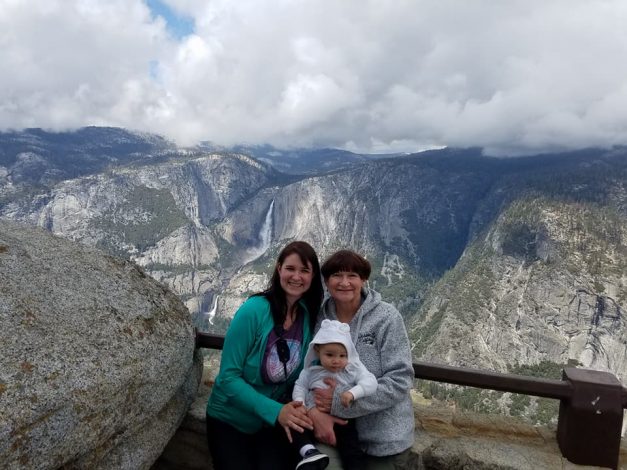
I have always felt at peace in nature. The quiet serenity, the beautiful sights, the feeling of being at one with our natural planet. Though I spent plenty of time outdoors growing up, I was not raised in what you would call a “hiking family.” My mother has Chronic Fatigue, a disease which prevents her from performing strenuous physical activities. However, despite this disease limiting her ability to hike, she went out of her way to expose me to nature as much as possible -- through camping trips with my extended family, visits to national parks, and a variety of other wilderness endeavors. This submersion continued to foster my love of nature and awe of this incredible world we live in. As an adult, after purchasing my first “good” camera, I began hiking a lot more to test my photography skills in a place I felt at home and comfortable -- the woods. The flora and fauna around me were the perfect subjects to hone my skills, and, in turn, the desire to take more photos encouraged more expeditions into the “wild” (sometimes even just a quick hike on my local trail). This purpose and motivation to take more photos quickly led to a passion for hiking that I have warmly embraced. 3 Strangers connect through the love of hiking by Kyla Phillips for Hike it Baby
Searching for answers

It wasn’t until recently that I learned my love for nature runs deeper than I thought -- it is in my blood. Not in a metaphorical or philosophical way; I mean, it's part of my DNA makeup. To explain, I am the only child born to a single mother through artificial insemination. I’ve always wondered about my donor dad -- who he was, what he looked like, his likes and dislikes, etc. -- but unfortunately, the only information we had about him was lost. Over the years, I accepted that I would likely never know more about him or any other potential family members. This was difficult for me due to being an only child. I have often pondered on what it would be like to have a sibling -- someone to have shared experiences with who might understand me in a way that others could not. But I didn’t give up completely. When I was preparing for the birth of our first child, I decided to utilize a DNA analyzing service to discover more information about my ancestry. At the time, it was important to me to be able to answer certain questions and share them with our child, such as where our distant genetic makeup comes from and what possible ailments we might be at risk for. After receiving my initial results, I was thrilled to finally know a little bit more about myself. I saw lots of likely distant cousins and spent time daydreaming of connecting with them. It was nice to have some level of insight into where I came from, even if it was from the distant past or tangentially connected to me.

Hiking is part of my identity

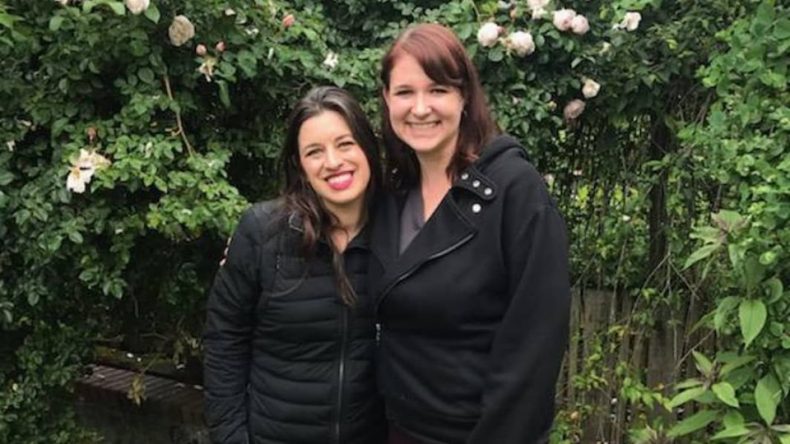
Two years after those results, I got the message I had waited for my whole life: I have a sister! Results of the test show all new users the potential connections they may have around the world, and it turns out my “new” sister had a similar mindset as I did. Set to marry the love of her life and thinking about future children, she wanted to know more about her ancestors and potential family. My half-sister, whom I share 25% of my DNA with, joined the DNA service and immediately reached out to connect with me after getting her results. I immediately responded, and we’ve been in regular contact ever since. She was also the only child of a single mother via artificial insemination, and we quickly discovered that we were both conceived around the same time, at the same facility, using the same donor. My heart filled with joy when I read her e-mail and started to realize all our similarities -- most notably, our love of hiking. Soon after, she shared with me the only information she has about our mutual donor: an old piece of paper from the donor facility with a few details handwritten on it. These were filled out by donors to provide some basic (but non-identifiable) information for potential recipients. The information on it is so minimal, it’s almost comical -- maybe a total of three full sentences on the whole page. What it did include though, was a list of our donor’s favorite hobbies … and guess what the first item? Hiking! I instantly felt a strong connection to my half-sister and bio-dad. We share the same blood, and in that blood is a passion for the outdoors and an attraction to nature. I am so happy to have someone new in my life with which to share my dreams and desires. 3 Strangers connect through the love of hiking by Kyla Phillips for Hike it Baby

Looking to a future on trail

Due to her wedding preparations being so close to my location, we were able to meet for the first time this past Memorial Day. Being such a momentous occasion, I was a tiny bit nervous despite our enthusiastic and enjoyable correspondence up to that point. But we immediately connected; I felt as if I had known her my whole life. Speaking with her about our lives, dreams and careers came so naturally to us that it was surreal. After a quintessentially “Portland” brunch, my sister and her fiancé were thoughtful enough to suggest taking our 2-year-old to a nearby park where we continued chatting and getting to know each other, while my husband and her fiancé acted like giant kids in the park. They are hoping to move back up to the PNW after the birth of their first child, and we are already planning family hikes together. I still can’t believe how fortunate I am to not only have discovered a new family member, but to be so in sync with them that it seems as though we should have always been in each other’s lives. As with most things in my life, nature will play a large part in our developing relationship as we look forward to making up for lost time together -- out on the trail. Do you have a similar, unique story? Let's hear about it in the comments below.

Read more:

Photos courtesy of Kyla Phillips.
Kyla Phillips is a native Washingtonian who enjoys photographing her family's adventures along the trail. Her favorite trail buddies are her husband, Alan, and their 2-year-old son, Kelvin. She is a BA for Vancouver, WA, and a volunteer for the National HiB Social Media Team. When she isn’t hiking, she enjoys travelling, gardening and crafting. Follow her adventures on Instagram at @shesakillahqueen.

Comments

To view comments or leave a comment, login or sign up.

Related Content

0
What Is the 10 Minute Walk & Why Your City Needs It
Have You Heard About the 10-Minute Walk Initiative? Suppose you believe that access to parks and green spaces improves physical and mental health, especially during times of crisis, or that life simply feels better when nature is close by. In that case, you are already aligned with the vision behind the 10 Minute Walk Initiative. Photo by Monique Vargas What Is the 10 Minute Walk Initiative? The 10-Minute Walk Initiative is a nationwide effort to ensure that everyone in the United States has safe, easy access to a quality park within a ten-minute walk of home by the year 2050. This is not just a goal for green-friendly states like California or Colorado. It is a promise for every city, every neighborhood, and every family. Want to know if your city is part of it? Visit the 10 Minute Walk website to see if your mayor has signed on. If you do not see your city listed, you can do what some of our community members have done: sign up for updates and learn how to get involved. You may even be able to encourage your local leaders to take part. If you are part of the OutGrown community, you already know our roots go back to the Hike it Baby movement and its guiding value: Leave No Family Behind. That means no matter your pace, parenting moment, or personal identity, you belong here. Whether you are changing a diaper, feeding your baby, managing a meltdown (yours or theirs), or just starting, we will not leave you behind. But here is the hard truth: Some families are being left behind simply because they do not have access. Parks are too far, sidewalks are unsafe, and transit is unreliable.  That is why OutGrown supports the 10-Minute Walk Initiative. Ensuring every family has access to nature is the first step in building an inclusive and equitable future outdoors. OutGrown exists to be a hub of tools, stories, and support for families with babies and young children who want to grow up outside, together. Learn more about our mission and how you can be part of it at WeAreOutGrown.org. About OutGrown OutGrown is a national nonprofit working to ensure that every family, especially those with babies and young children, can experience the benefits of time outside. Since our grassroots beginning in 2013, we have supported more than 300,000 families with the help of thousands of volunteers across the country. We believe nature belongs to all of us from the very beginning. That means creating opportunities, removing barriers, and supporting families in finding their way outdoors, whether that starts with a stroller walk, a community outing, or a quiet moment under the sky. You can learn more and explore our programs at WeAreOutGrown.org. Editor’s Note Thank you for reading. At OutGrown, we believe content should offer more than information. It should create a connection, support real-life caregiving, and reflect how families grow together through nature. Everything we share is made with care by our team and volunteer community. If this piece inspired you or helped you feel more confident in your outdoor journey, we invite you to support our work by donating today. Your contributions help us keep resources free and accessible to all families. Please remember that the experiences and tips shared in this article are for general information only. They are not a substitute for professional medical, mental health, or safety advice. Always consult with a qualified provider if you have specific concerns or questions. We are glad you are here. We are growing something meaningful together
0
5 Tips for Trail Cleanup Safety
Trail cleanups can be a powerful way for families to give back and connect with nature at the same time. With little ones in tow, safety and simplicity are key. Whether joining a group event or picking up trash on your usual stroll, this guide offers practical tips to help make your next cleanup effort safe, age-appropriate, and meaningful for everyone involved. Winters can be hard on trails. Many will need both cleanup and maintenance come springtime. You can contact your local or state park system to see if they have anything planned, or you can plan your own trail cleanup hike with your Hike it Baby branch! Hike it Baby offers lots of information on organizing a trail cleanup, and safety is a consideration when participating in a trail cleanup. Some of these things may seem like common sense, but it’s always nice to double check your preparedness whenever you try something new (or for the first time in a while). 5 Tips for Trail Cleanup Safety 1. Bring proper cleanup supplies Certain supplies will come in handy during a trail cleanup. This would include gloves, trash grabbers and bags. It’s a good idea to have the littles carry the trash bag instead of picking up trash. They may not know what they should and shouldn’t touch. 2. Work in pairs or groups Sticking together and staying in communication with the organizer are very important. Make sure you have a charged cell phone or walkie-talkie with you. A compass could also come in handy if you're off the beaten path. Make sure someone knows exactly what area your group will be working in. Check in often with the organizer and stay close to your partner or group. Or, if you're hosting the hike, help the group stay together and communicate the meet up locations and times. 3. Bring your normal safety supplies All normal hiking injuries can occur on a trail cleanup. In fact, after winter, the trail will likely be in worse shape than usual, so be prepared. Make sure you pack your typical first aid kit, plus plenty of water and snacks. 4. Give the kiddos simple tasks The concept of trail cleanup is super important to share with our kids beginning at a young age as it teaches them to be stewards for our trails and parks. It’s even better to reinforce as they get older. That being said, not every trail cleanup is organized with young children in mind. If attending a hike organized by another group or parks department, speak to the cleanup organizer before deciding whether or not you will bring young children. Make sure there will be tasks suitable for their age and ability. With supervision and proper gloves and grabbers, tiny people are great at holding trash bags, spying trash, and they love to use trash grabbers! Older kids can also be great to pair with younger kids. If hosting your own hike, make sure you communicate what supplies to bring and provide safety tips during Welcome Circle. 5. Use caution Don't ever touch anything sharp or lift anything too heavy. While you will typically feel totally awesome after participating in a trail cleanup, you might not if you cut yourself and get an infection. After winter, there could be trees or large branches across the trail. Don’t try to be the hero and lift something too heavy on your own. Even professional bodybuilders use a spotter to lift. Bring a notepad with you and document anything you can’t handle. Then give this list to the trail cleanup organizer so that the proper crew can address it. (Or, if you're hosting, contact the parks department with the information.) For toddlers and little kids, have them spot the trash ("I spy!") instead of picking it up. This will ensure they aren't picking up anything dangerous or unsanitary. What are your safety tips for trail cleanup? Have a question about safety while participating in a trail cleanup? Leave a comment or a question below! Read More: 11 Tips for Safety on Trail 3 Trail Safety Tips You Must Know Photos by Vong Hamilton. Hike it Baby hikes are hosted by volunteers who have no professional training and are not experts to guide families on hikes. They are people who want to raise a generation to love the outdoors and they accomplish this by facilitating outings for all to join. Our tips are gathered from collective experience. As with any physical activity, please be sure to check with your healthcare provider and other experts when hiking with your children. About OutGrown OutGrown is a national nonprofit working to ensure that every family, especially those with babies and young children, can experience the benefits of time outside. Since our grassroots beginning in 2013, we have supported more than 300,000 families with the help of thousands of volunteers across the country. We believe nature belongs to all of us from the very beginning. That means creating opportunities, removing barriers, and supporting families in finding their way outdoors, whether that starts with a stroller walk, a community outing, or a quiet moment under the sky. You can learn more and explore our programs at WeAreOutGrown.org. Editor’s Note Thank you for reading. At OutGrown, we believe content should offer more than information. It should create a connection, support real-life caregiving, and reflect how families grow together through nature. Everything we share is made with care by our team and volunteer community. If this piece inspired you or helped you feel more confident in your outdoor journey, we invite you to support our work by donating today. Your contributions help us keep resources free and accessible to all families. Please remember that the experiences and tips shared in this article are for general information only. They are not a substitute for professional medical, mental health, or safety advice. Always consult with a qualified provider if you have specific concerns or questions. We are glad you are here. We are growing something meaningful together.