
10 Unforgettable things to do in Glacier National Park with kids
- Blog 10 Unforgettable things to do in Glacier National Park with kids

Glacier National Park is aptly known as the Crown of the Continent. Its rugged mountains, turquoise lakes and ancient forests call to adventurers of all ages. In additions to its natural beauty, there are currently 26 active glaciers within the park – down from 35 in 1966. If you haven’t made it out to see this pristine park, the time to hesitate is over. My family has spent over three weeks at various times at Glacier National Park. It’s without a doubt our favorite national park. There are so many things to do with or without kids. And the scenery is unsurpassed. Take your pick from towering waterfalls, picking wild edibles to epic (but moderate) hikes. Here are some of the best things we’ve found at Glacier National Park. 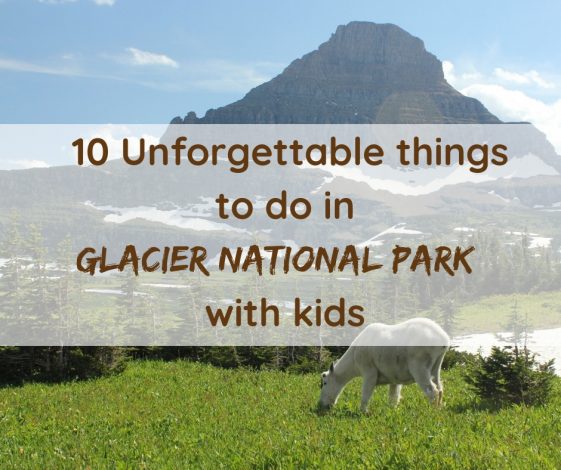
Planning
Flying
The closest airport to Glacier National Park is the aptly named Glacier Park International Airport in Kalispell, MT, which is about a 32-minute drive to the West Glacier Entrance. If you’re looking for cheaper flights, Great Falls, MT, is about 2.5 to 3 hours away or Spokane, WA, is about 4.5 hours.
Lodging
Glacier National Park has some lodging in and around West Glacier as well as down the road in Kalispell. My family loves to camp and have camped both in the park and just outside the park in the Flathead National Forest. If you plan to camp or stay anywhere in or near the park, it is best to get reservations as soon as possible, even up to a year in advance. However, Glacier does reserve a percentage of their campsites on a first come, first served basis. If you plan to go this route, it’s best to arrive early in the morning (around 8 a.m. or 9 a.m.) to have the best chance at getting a spot. If you don’t want to risk not finding a site, the Flathead National Forest usually has reservable campsites available up to a few months before peak seasons.
Building an Itinerary
Glacier only has one road that goes through the park. Going to the Sun Road connects the two main park entrances in West Glacier and St. Mary on the east side. This makes planning easy because most (if not all) of the places you’ll choose to go will be along Going to the Sun Road. Glacier has other entrances, but all of them take you to more remote sections of the park with no access to the main road. Keep in mind, it can take an hour or more to drive from one side of the park to the other, so plan accordingly.
Packing
Summer in Glacier is short-lived. The last year we visited, I believe summer was a Tuesday. Or at least that is a common joke among Glacier locals. Suffice it to say, if you visit Glacier anytime between May and August, expect spring or autumn temperatures. The first year we visited, the park didn’t finish clearing snow on Going to the Sun Road until August 1. Plan to bring lots of layers and be flexible – especially as you gain elevation on Going to the Sun Road.
There are not a lot of places to eat inside the park and none once you leave the entrance areas. West Glacier has more restaurants than St. Mary, and there is a grocery store in Columbia Falls just outside the west side of the park. Also, there are not many places in Glacier that can accommodate a stroller, so definitely bring a child carrier if you are taking young ones with you. And finally, always carry bear spray if you plan to hike even short distances off the main road. If you don’t want to buy bear spray, it can be rented for $10 a day or $30 for a week from private outfitters in East and West Glacier.
10 Unforgettable things to do in Glacier National Park with kids
1. Search for wild huckleberries Glacier huckleberries are similar to blueberries but are a little more tart. They grow wild in the subalpine slopes and forest of Glacier National Park. Attempts to farm huckleberries have failed, which means the only way to get them is to go looking. You can usually find them not far from any trail from about mid-July through August. But be careful as bears also love to hunt huckleberries. 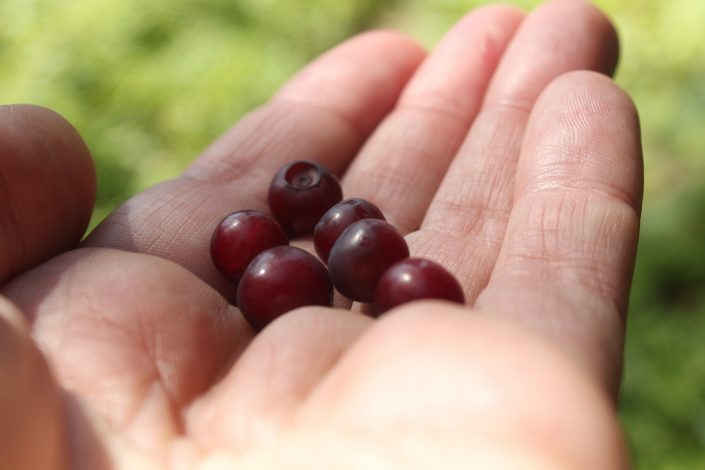
2. Eat huckleberry ice cream If you don’t want to go searching for huckleberries yourself, you can get some delicious huckleberry ice cream at Glacier Village Sweet Treats in West Glacier. You can also find numerous restaurants selling everything from huckleberry pie to huckleberry jam. But I am told any commercially available huckleberry products have a low percentage of actual huckleberries in them due to how difficult they can be to harvest. 
3. Trail of the Cedars to Avalanche Gorge For an easy hike that anyone can do (it’s even wheelchair-accessible), follow this easy 1-mile trail through ancient cedars more than 500 years old. About halfway, stop and enjoy the stunningly narrow Avalanche Gorge. Then take your time back to the car or continue on to Avalanche Lake. The Trail of the Cedars trailhead is about 5.5 miles from Lake McDonald Lodge. 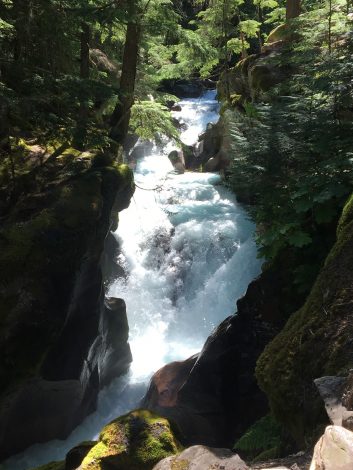
4. Hike to Avalanche Lake Avalanche Lake is a beautiful subalpine lake with five cascading waterfalls that flow out of the hidden Sperry Glacier. The hike is a moderate 4.5-mile roundtrip hike that gains about 730 feet of elevation. Most hikers will stop once they reach the lake, but if you want a little more privacy, keep following the trail to the head of the lake. Use the Trail of the Cedars trailhead. 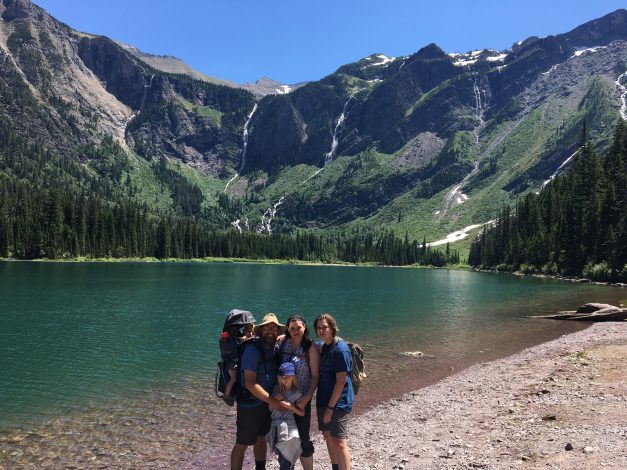
5. Take Your Time on Going to the Sun Road One of the things you can’t avoid is driving along Going to the Sun Road. This is one of the easiest ways to see the park and catch commanding views as you climb your way toward the Continental Divide and Logan Pass. The drive offers many pull-outs where you can snap pictures of the amazing Glacier-carved mountains and flowing waterfalls. In fact, it’s hard not to see a waterfall no matter which way you look along the road. Don’t want to drive it yourself? Book a tour on one of the historic Red Buses that drive through Glacier. 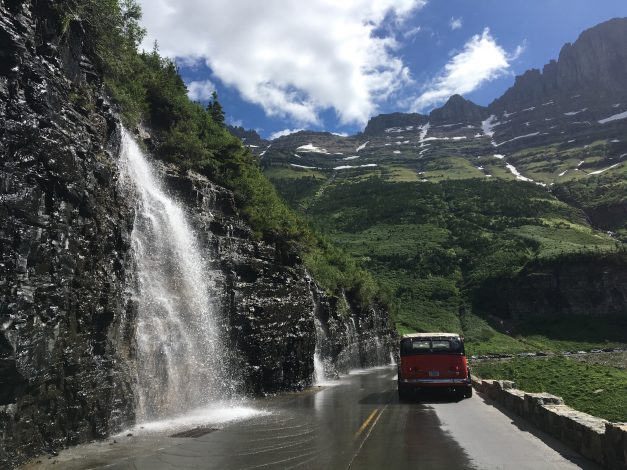
6. Logan Pass and Hidden Lake At the top of Going to the Sun Road is 6,646-foot Logan Pass. If you can find a place to park, get out and hike toward Hidden Lake on the west side of the visitor center. This is the best place to see summer snow, wildflowers, mountain goats and Bighorn Sheep. The Hidden Lake overlook is one of the most popular hikes in Glacier. Follow the crowds 2.7 miles (one way) and 1,325 feet of elevation gain through high alpine meadows to the Hidden Lake Overlook. Be warned, however, that the trail can be covered in snow even into August. Parking is a problem at Logan Pass and the lot will be closed once it is full – generally from 8:30 a.m. until about 4 p.m. To avoid this, take one of the free shuttles from either Apgar Village or St. Mary. 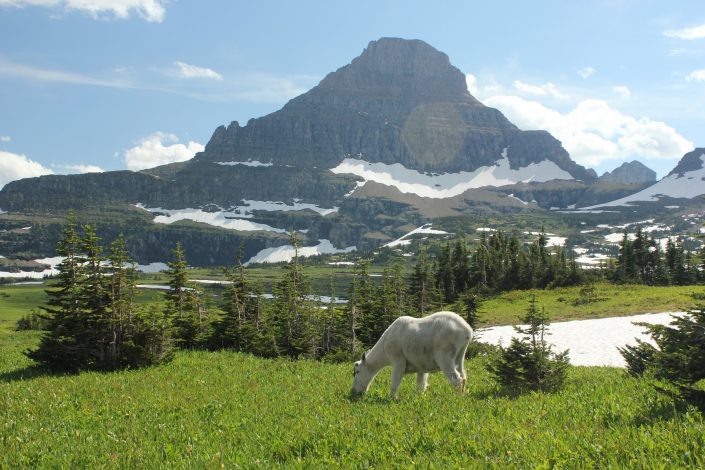
7. Snap a picture of Wild Goose Island As you near St. Mary Lake along Going to the Sun Road, be sure to stop at the iconic Wild Goose Island Overlook. Odds are if you have seen a picture of Glacier National Park, it was taken here. Folklore states a young couple from rival ancient tribes fled to the island to be married. Warriors from each tribe pursued the couple, determined to stop the wedding, but the great spirit took pity on the couple and turned them into wild geese that mate for life. Thus, it has always been known as Wild Goose Island. The overlook is just off the road about 6.5 miles from the St. Mary entrance. 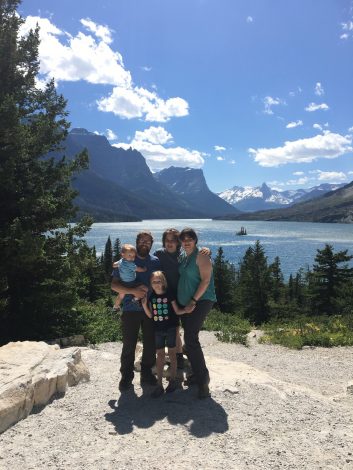
8. Take a boat into America If you brought your passports, head north across the border to Glacier’s sister park in Canada: Waterton Lakes. From there, you can hop on a boat and go across the border and back into America where the more adventurous can access Glacier’s backcountry via the Goat Haunt border crossing, our nation's smallest border station. Get your passport stamped by the two rangers at the picnic table and take a hike as deep as you are prepared to go. But take note that Glacier is expansive and, unless you’re prepared to hike many days, you’ll need to be back before the last boat leaves for the evening. 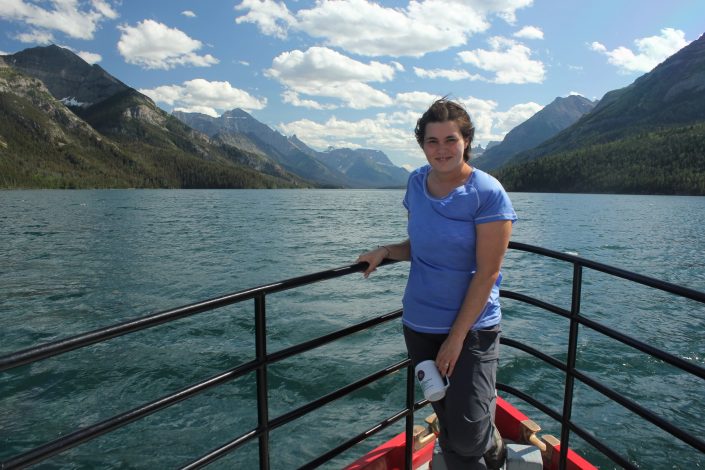
9. St. Mary Falls For an easy hike to one of Glacier’s most spectacular waterfalls, follow the 1.7-mile roundtrip trail to St. Mary Falls. Along the way you can also see Baring Falls at just .7 mile from the trailhead or keep going past St. Mary Falls to see the even more spectacular Virginia Falls. All three falls are popular destinations and parking can be a problem. Arrive early or take a shuttle from Sun Point. The St. Mary Falls trailhead is 10.5 miles west of the St. Mary entrance. 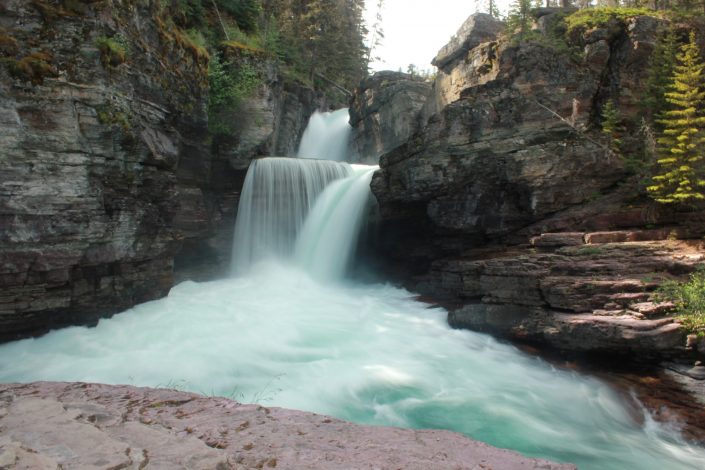
10. Get away from the crowds at Rocky Point For another easy hike without the crowds, hike out to Rocky Point on the far side of Lake McDonald. This trail is only 1.1 miles one way and gains an easy 85 feet of elevation. This trail starts near Fish Creek Campground on a gravel road about 3 miles off Going to the Sun Road. Dip your feet in the cool waters, skip rocks and take in stunning views of Lake McDonald. 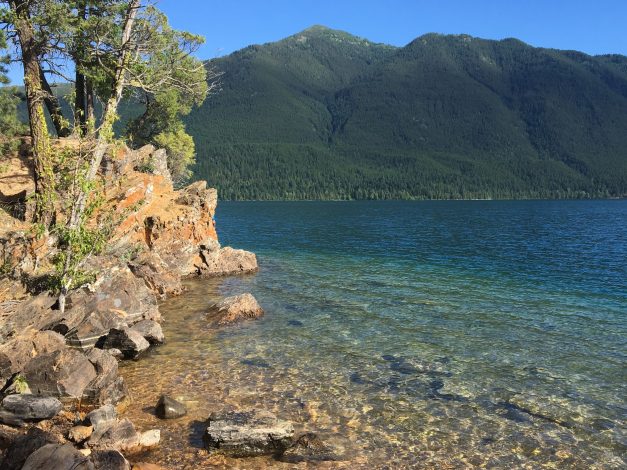
What are some of your favorite activities or suggestions for families who visit Glacier National Park? Please share with us in the comments below.
Planning Resources:
- 6 Helpful websites to make outdoor adventure planning easy
- National Park Service: Glacier National Park
- Hike it Baby Family Trail Guide
Read more:
- 10 Fun things to do with kids in Yellowstone
- 10 Places to visit in Acadia National Park with Kids
- Fun things to do with kids from San Antonio to Dallas
- 15 Fun things to do with kids in Colorado Springs
 Steven Smith is an avid backpacker, hiker, climber and skier. He loves spending time in the mountains and introducing his children to the outdoors. In his spare time, he catalogs his families’ adventures at his blog, MyLifeOutdoors.com.
ABOUT OUTGROWN
OutGrown is a 501(c)(3) nonprofit that works to create a world where everyone can enjoy the physical and mental benefits of spending time outside. We are focused on creating opportunities and removing barriers to access so families with babies and young children can take their first steps outside. We believe all families have the right to connect with nature, benefit from spending time outdoors and be inspired to a lifelong love of nature. Since its grassroots inception in 2013, OutGrown is a growing community of 280,000 families and over 300 volunteer Branch Ambassadors. More information on all of our programs can be found at WeAreOutGrown.org
EDITORS NOTE:
We hope you enjoyed reading this article from OutGrown. We’re working hard to provide our community with content and resources that inform, inspire, and entertain you.
But content is not free. It’s built on the hard work and dedication of writers, editors, and volunteers. We make an investment in developing premium content to make it easier for families with young children to connect with nature and each other. We do not ask this lightly, but if you can, please make a contribution and help us extend our reach.
Related Content



Comments