
National Take a Hike Day: Hitting the Trail Again After Baby Arrives
- Blog National Take a Hike Day: Hitting the Trail Again After Baby Arrives

With all of the exciting changes happening in your life when your baby comes home, the attraction to those things that were an important part of your life before baby are still there too. Hiking is probably part of what makes you who you are. With “National Take a Hike Day” on November 17, it's a great time to get some advice from parents who found their own way to introduce a newborn to hiking. When you and your baby are ready, the trail is there and it will provide the same benefits you enjoyed before. What’s even better is you can now introduce and share these benefits with your baby.
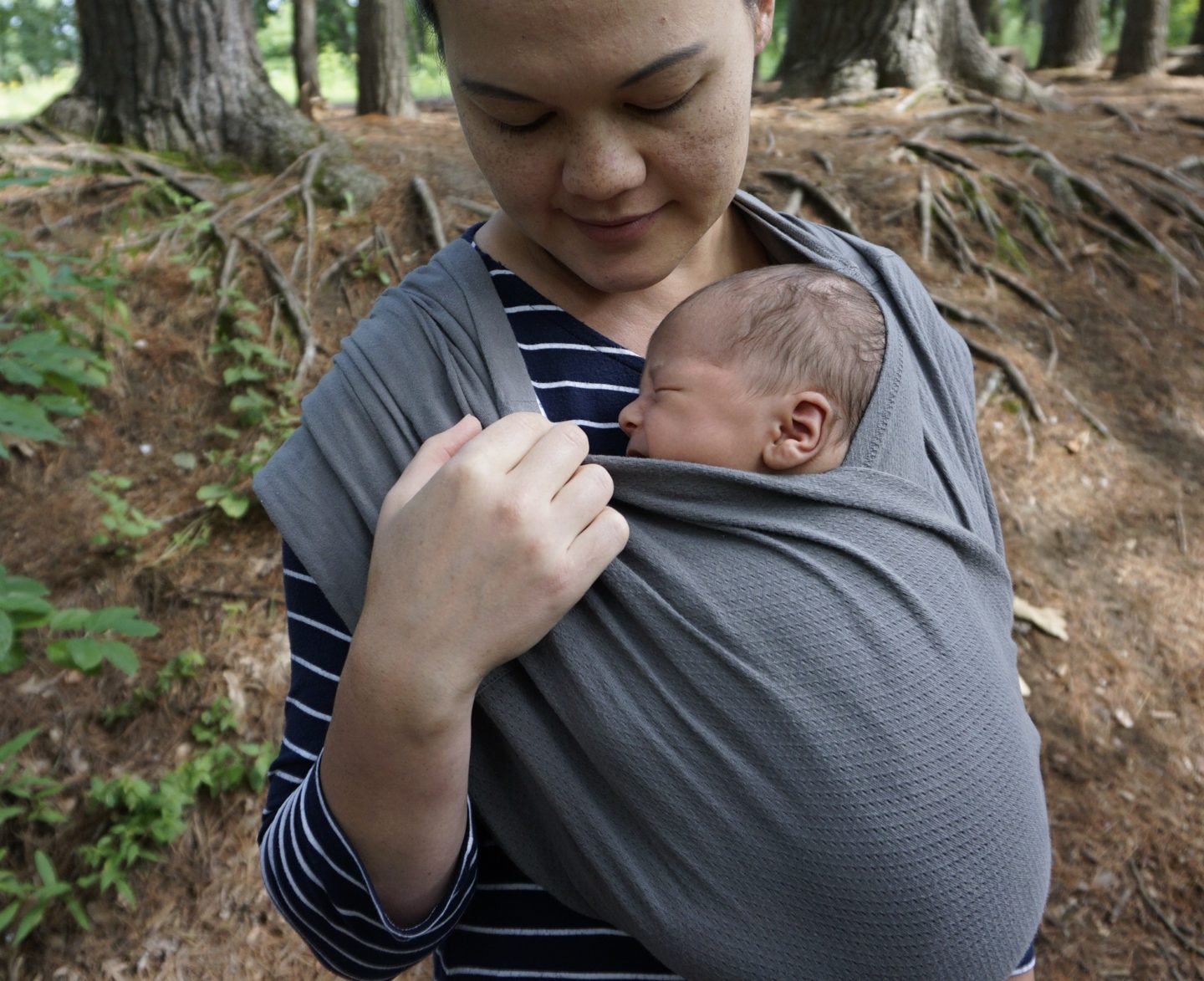 For Nicole Rosenberg, her hikes with a newborn started on the first day home from the hospital.
“We started with a stroller and a walk around the neighborhood. Eventually I figured out that he slept better outside, so we’d bundle up and go for walks when he needed a nap. He’s 2 now, and to this day, I use a carrier and the outdoors to encourage naptime. Sure, we go on more epic adventures, but every time we get outdoors together is important. It’s a good way to encourage healthy habits, to learn and to enjoy ourselves.”
Like Nicole, one of the new benefits you may also discover of hiking with a baby, is the effect it has on baby’s sleeping habits. “Start small. A walk around the block at a time your baby is generally happy and/or napping. When you feel confident with that, go on a short familiar easy hike,” suggests Vanessa Wright.
Vong Hamilton found that hiking was the key to better sleep for her third baby.
"I hiked while I was pregnant with my little guy up until two days before he was born. From day one, he was a terrible napper. He wouldn't sleep unless I was holding him. Frustrated, I had had enough of the sleep-deprived crying baby, so we packed up and went for a hike for some mama self-care. Not 10 minutes into our hike, he'd fallen asleep and slept the whole hour of the hike! And that's how our days went those early weeks; almost every day we hit the trails so he could nap. Don't be afraid to get out with a baby! That might be just what baby needs to get some ZZZZs and what Mom needs to stay sane."
For Nicole Rosenberg, her hikes with a newborn started on the first day home from the hospital.
“We started with a stroller and a walk around the neighborhood. Eventually I figured out that he slept better outside, so we’d bundle up and go for walks when he needed a nap. He’s 2 now, and to this day, I use a carrier and the outdoors to encourage naptime. Sure, we go on more epic adventures, but every time we get outdoors together is important. It’s a good way to encourage healthy habits, to learn and to enjoy ourselves.”
Like Nicole, one of the new benefits you may also discover of hiking with a baby, is the effect it has on baby’s sleeping habits. “Start small. A walk around the block at a time your baby is generally happy and/or napping. When you feel confident with that, go on a short familiar easy hike,” suggests Vanessa Wright.
Vong Hamilton found that hiking was the key to better sleep for her third baby.
"I hiked while I was pregnant with my little guy up until two days before he was born. From day one, he was a terrible napper. He wouldn't sleep unless I was holding him. Frustrated, I had had enough of the sleep-deprived crying baby, so we packed up and went for a hike for some mama self-care. Not 10 minutes into our hike, he'd fallen asleep and slept the whole hour of the hike! And that's how our days went those early weeks; almost every day we hit the trails so he could nap. Don't be afraid to get out with a baby! That might be just what baby needs to get some ZZZZs and what Mom needs to stay sane."
 Lisa Boness lives in the mountains of Colorado where she indulges her love of the outdoors with as much hiking as possible. Her other interests include writing, home improvement projects and spending time with family (including her husband, Eric, and her favorite “trail critter,” Ridley – a Maltese).
For Nicole Rosenberg, her hikes with a newborn started on the first day home from the hospital.
“We started with a stroller and a walk around the neighborhood. Eventually I figured out that he slept better outside, so we’d bundle up and go for walks when he needed a nap. He’s 2 now, and to this day, I use a carrier and the outdoors to encourage naptime. Sure, we go on more epic adventures, but every time we get outdoors together is important. It’s a good way to encourage healthy habits, to learn and to enjoy ourselves.”
Like Nicole, one of the new benefits you may also discover of hiking with a baby, is the effect it has on baby’s sleeping habits. “Start small. A walk around the block at a time your baby is generally happy and/or napping. When you feel confident with that, go on a short familiar easy hike,” suggests Vanessa Wright.
Vong Hamilton found that hiking was the key to better sleep for her third baby.
"I hiked while I was pregnant with my little guy up until two days before he was born. From day one, he was a terrible napper. He wouldn't sleep unless I was holding him. Frustrated, I had had enough of the sleep-deprived crying baby, so we packed up and went for a hike for some mama self-care. Not 10 minutes into our hike, he'd fallen asleep and slept the whole hour of the hike! And that's how our days went those early weeks; almost every day we hit the trails so he could nap. Don't be afraid to get out with a baby! That might be just what baby needs to get some ZZZZs and what Mom needs to stay sane."
For some additional tips, complete with the step-by-step to first hikes with a newborn, check out 8 Steps To Help You Hike After Baby.
Starting close to home and trying these hikes when it is the best time for you and your baby makes those first excursions easier. Finding support from other parents and communities helps too. “Start with paved trails or boardwalks! Easier footing as you get used to the big changes you've just experienced. Bonus: it's suitable for baby wearing and strollers, so if you connect with a group of newborn caregivers, all are welcome/comfortable,” advises Kati Austgen. Laura Miller found her community through HiB. "Getting out in nature is the best thing for you AND baby, hands down. Adventuring with HiB families is the best because, collectively, you can tackle anything. Whatever feels too overwhelming or intimidating alone outnumbered by babies becomes comical challenges in such good company. Plus, the other mothers are always far more prepared than me with backup items (anything you could think of, seriously) so that helps my confidence and security as well. Just do it: get out, stay out, repeat daily!"More information on the importance of community when getting back to hiking with a new baby, check out The Importance of a Mommy Community and Father Finds Inspiration And Fun With Hike It Baby.
Knowing that baby is comfortable will give you peace of mind to enjoy the hike. Katie Fox offers this bit of advice: “Go somewhere familiar and take it slow. Don't push yourself and just enjoy being outside and sharing the world with your squish! Stretchy wraps are especially fantastic because they add an extra layer of warmth and can help both parents and the baby feel more confident and secure in this new adventure!”More great ideas on what to bring to keep your baby comfortable as you introduce them to hiking can be found here.
Whether it's the motivation to get out on a hike to find that bliss you enjoyed before the arrival of your baby, to introduce your new baby to the benefits of getting outside (including better sleep for you and baby!), or the desire to connect with the hiking community and the support found among other parents, taking that first hike with a newborn is possible. Vanessa Wright shared this additional bit of encouragement: “After having two kids, I've realized the easiest time to hike is when they are small babies. I regret not hiking more during that phase with my first! There will never be a time when they're lighter and more content just snuggling with you, so use this time for your advantage.” What advice do you have to help parents with young kids get out on trail? Please share in the comments below.Read more:
- 5 Benefits of hiking with babies and toddlers
- Winter hiking with babies
- 10 Tips for keeping babies on trail
Lisa Boness lives in the mountains of Colorado where she indulges her love of the outdoors with as much hiking as possible. Her other interests include writing, home improvement projects and spending time with family (including her husband, Eric, and her favorite “trail critter,” Ridley – a Maltese).
Related Content



Comments