How to get outside with your NICU baby

  1. Share
0 0
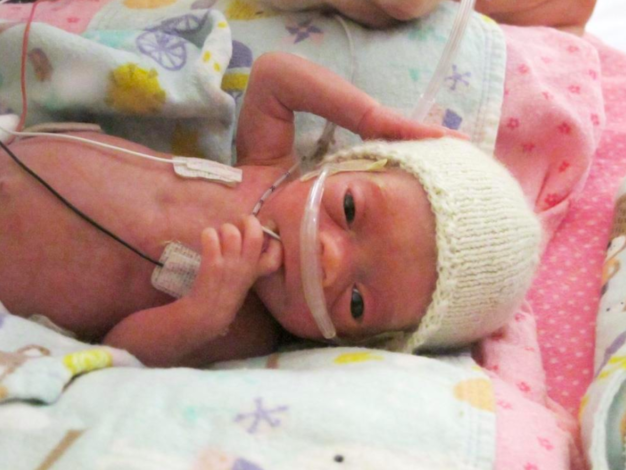
Editor’s note: This article discusses Post Partum and Post Traumatic Stress Disorder (PTSD) and some readers may find it triggering. My first daughter, Miranda, was born at 26 weeks and 4 days' gestation in January 2013. She was born nearly a trimester premature because of Preeclampsia and HELLP syndrome, and weighed only 1 lb., 2 ozs. at birth due to Intrauterine Growth Restriction (IUGR). As a Micropreemie, there were many concerns for her health, including respiratory development, neurological damage in the form of brain hemorrhaging, pulmonary issues, retinal damage and possibly, above all, germs and infectious conditions. After a mostly uneventful 80 days in the Neonatal Intensive Care Unit (NICU) at 4 lbs., 4 ozs. and in stable condition, we were cleared to take Miranda home. How to get outside with your NICU baby by Anna David for Hike it Baby

First days hiking with a NICU baby

For a long time after she was born, it felt hazardous to take Miranda places. Her small size and diminutive features often drew kind but imposing inquiries from strangers, and even the best-intentioned of people had a hard time being told to keep their hands away from a baby. The common cold can pose serious risks to babies born prematurely, and many have immature or compromised immune systems for as long as a year or more after birth. As NICU parents we were trained by staff to wash our hands often and thoroughly, and after discharge germs were priority number one. Miranda also needed a vaccine to protect her against Respiratory Syncytial Virus (RSV), which can quickly debilitate former preemies if not treated properly and promptly. It was suggested we protect our daughter from risk of illness by drastically limiting our time outdoors and in busy public places during the first month of her being home, and then again in the following winter. Having spent the first three months of her life in the hospital, my husband and I were eager to share Miranda with the world. We wanted to share our world with Miranda and achieve some normalcy after the chaos of her birth. Feeling trapped at home inside the lush green paradise of Oregon was unsustainable.

Gaining freedom through hiking

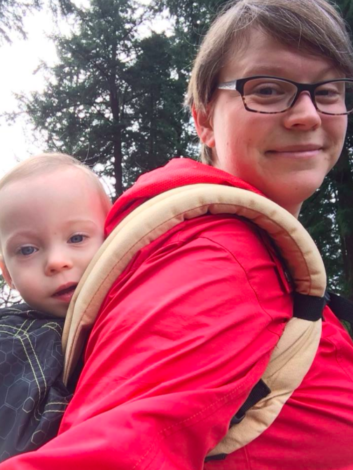
Hike it Baby appealed to me as a NICU mom because it created opportunities to get my child and me outdoors for some fresh air, exercise and social interaction without the nose-wiping, toy-sharing and germ-swapping typical of many playdates, indoor play centers and kids' venues. It also allowed me to introduce my daughter to the wonderland of the Pacific Northwest and begin to develop her appreciation for nature. It rained our entire first hike, and while Miranda had passed out in her carseat from the fall chill, dampness and activity, I congratulated myself on braving the elements and exposing my daughter to the sights, sounds and smells of our home state. Hiking with Miranda would require focus for safety, and lots of good breathing, so it was entirely acceptable for talking to take a backseat, and if I became upset it was unlikely the other hikers would take note. How to get outside with your NICU baby by Anna David for Hike it Baby

Struggling between joy and sadness

I struggled with untreated Postpartum Depression as well as PTSD from my NICU experience, and it was difficult to manifest a lot of emotions that were visible on the surface, especially happiness. If I allowed myself to get too happy, it would easily cross over into a great and deep sadness that was hard to control. I felt like my emotional wires were crossed for a long time after the NICU and I knew social interaction with other moms would be a double-edged sword. On one hand it would allow me to celebrate and commiserate around the motherhood experience, while on the other hand it could potentially trigger a lot of the grief, resentment and sadness I sometimes felt in the company of term babies and their families. Parents of NICU babies and preemie parents are everywhere, and I've met more than a few through Hike it Baby. I've also been able to encourage other NICU parents to get outdoors through partnering my peer-to-peer support organization, NICU Families Northwest with Hike it Baby. Fresh air, physical activity, sunshine and even rain can be healing for people coping with trauma. Socially connecting with peers normalizes our experiences, and witnessing the natural world around us encourages a meditative sort of reflection that can help relieve stress and anxiety.

Six Tips for Getting Outside with your NICU baby

It's been over four and half years but I continue to be inspired by our NICU experience and the way Miranda overcame her challenges. The strength and determination that our children are born with, and the courage and love their parents give them from day one, motivates me to do all I can to help NICU families heal and thrive. Here are some tips to help your family get outside and thrive in the outdoors with your NICU baby.
  1. Plan ahead and prep your outdoor kit in advance. Everything you can do to remove your mental obstacles to getting out the door gets you and your baby that much closer to the trail. It's easy to make excuses the day of, and no one will blame you if you don't show, but you and your baby will reap the benefits if you are mentally and physically prepared.
  2. Pack light but right. Hiking doesn't require all the toys and tools a home playdate would so leave the excess at home. You'll want to layer yourself and your baby for the weather, plan for any small snacks you might want, bottle, comfort item for baby (blankie, pacifier, special toy- tethered to your carrier if possible), hydration, and a conservative spit-up/diaper kit.
  3. Find the right carrier. Having a smaller than typical baby or one with gross motor challenges can create additional challenges for babywearing. Talk to other NICU parents, ask the Hike it Baby community, stop into a local baby shop to troubleshoot, or consult someone from a local babywearing group to overcome these issues.
  4. Find a hike that works with your nursing/feeding/pumping schedule. N/F/P-ing on the trail are all acceptable, welcome, and encouraged, but life is easier with a well-fed infant. Don't be shy if you need to use a nipple shield to nurse on the trail, mix formula to feed or supplement, or push some food to your baby's stomach through a g-tube. Hike it Baby is a come-as-you-are community and parents are incredibly respectful of individual comfort.
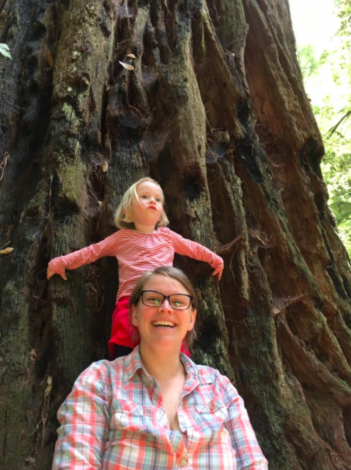
  5. Start small with walks around your neighborhood, and take advantage of the opportunity to talk to your baby about the natural world. Let him/her touch leaves, smell flowers, and feel rain. Carry a small tube of hand sanitizer with you and some wipes, but enjoy the fresh air and local landscape knowing you're acclimating your child to your regional flora and fauna, and encouraging an active, outdoor lifestyle.
  6. Don't panic if your baby doesn't seem to love hiking. Tears and fussy behavior are expected in babies and kids, and it's important to remember that you benefit from time outside as much or more than your baby. Connecting with peers is vital to parent health especially in the early months, and healthy parents raise healthy babies. Ask for suggestions to adjust your baby for comfort and take them with a grain of NICU salt, knowing their solutions are well-meaning and it's okay if they don't suit your particular situation or baby's needs.
How to get outside with your NICU baby by Anna David for Hike it BabyRead More:

For more insight into the NICU family experience:

Photos courtesy of Anna David.

Community tags

This content has 0 tags that match your profile.

Baby (Newborn to Crawler)

Comments

To view comments or leave a comment, login or sign up.

Related Content

0
What Is the 10 Minute Walk & Why Your City Needs It
Have You Heard About the 10-Minute Walk Initiative? Suppose you believe that access to parks and green spaces improves physical and mental health, especially during times of crisis, or that life simply feels better when nature is close by. In that case, you are already aligned with the vision behind the 10 Minute Walk Initiative. Photo by Monique Vargas What Is the 10 Minute Walk Initiative? The 10-Minute Walk Initiative is a nationwide effort to ensure that everyone in the United States has safe, easy access to a quality park within a ten-minute walk of home by the year 2050. This is not just a goal for green-friendly states like California or Colorado. It is a promise for every city, every neighborhood, and every family. Want to know if your city is part of it? Visit the 10 Minute Walk website to see if your mayor has signed on. If you do not see your city listed, you can do what some of our community members have done: sign up for updates and learn how to get involved. You may even be able to encourage your local leaders to take part. If you are part of the OutGrown community, you already know our roots go back to the Hike it Baby movement and its guiding value: Leave No Family Behind. That means no matter your pace, parenting moment, or personal identity, you belong here. Whether you are changing a diaper, feeding your baby, managing a meltdown (yours or theirs), or just starting, we will not leave you behind. But here is the hard truth: Some families are being left behind simply because they do not have access. Parks are too far, sidewalks are unsafe, and transit is unreliable.  That is why OutGrown supports the 10-Minute Walk Initiative. Ensuring every family has access to nature is the first step in building an inclusive and equitable future outdoors. OutGrown exists to be a hub of tools, stories, and support for families with babies and young children who want to grow up outside, together. Learn more about our mission and how you can be part of it at WeAreOutGrown.org. About OutGrown OutGrown is a national nonprofit working to ensure that every family, especially those with babies and young children, can experience the benefits of time outside. Since our grassroots beginning in 2013, we have supported more than 300,000 families with the help of thousands of volunteers across the country. We believe nature belongs to all of us from the very beginning. That means creating opportunities, removing barriers, and supporting families in finding their way outdoors, whether that starts with a stroller walk, a community outing, or a quiet moment under the sky. You can learn more and explore our programs at WeAreOutGrown.org. Editor’s Note Thank you for reading. At OutGrown, we believe content should offer more than information. It should create a connection, support real-life caregiving, and reflect how families grow together through nature. Everything we share is made with care by our team and volunteer community. If this piece inspired you or helped you feel more confident in your outdoor journey, we invite you to support our work by donating today. Your contributions help us keep resources free and accessible to all families. Please remember that the experiences and tips shared in this article are for general information only. They are not a substitute for professional medical, mental health, or safety advice. Always consult with a qualified provider if you have specific concerns or questions. We are glad you are here. We are growing something meaningful together
0
How to Overcome These 6 Common Winter Hiking Dangers
Winter hiking can often be more rewarding than summer hiking. After all, it’s easy to get out of the house when the weather is good. However, hiking in colder weather requires a bit more planning, and certainly, more gear in order to overcome potential dangers. Here are 6 common winter hiking dangers to be aware of, and what you need to do to overcome them. Colder temperatures Colder temperatures may be the most obvious of the winter hiking dangers. The saying goes, “There’s no bad weather if you’ve got the right gear.” This is absolutely true, so it’s imperative to have the proper attire for you and your kids to minimize heat loss and the chance for cold weather-related injuries. Layering correctly for the temperatures can ensure you are protected against whatever the winter elements throw your way. Check out this guide on proper layering for all the members of your family from L.L. Bean. Wild animals Although lots of animals hibernate, not all of them do. And, of those that snooze away the winter months, some wake up periodically for a short walk. The best thing you can do to prepare is to be aware of the creatures in your area and pay attention to any word about encounters. Learn more about mitigating wildlife encounters here. Avalanches Depending on where you live, avalanches may or may not be one of the winter hiking dangers to consider. If you are new to an area or aren’t sure, then definitely ask some locals. The best practice is to avoid areas that are prone to avalanches during winter months. However, most regions that experience avalanches also offer some great training opportunities. Check out this post to learn more about avalanche safety. Difficult trail conditions Winter weather often means winter trail conditions or trails covered with ice or deep snow. In addition to being prepared with good gear, which may include ice grippers for your footwear, snowshoes, or trekking poles, you’ll also want to factor in additional time. A trail that takes an hour in good conditions may take two to three hours if you’re slogging through deep snow or being extra careful of your footing. Furthermore, if you are crossing any streams, the crossings can be more difficult due to slippery or thin ice. Trail signs hidden by snow/ice Prepare for signs to be obscured or hidden by snow or ice. Instead of solely relying on signage to navigate trails, you’ll want to have a backup on hand, whether a map or a handheld GPS unit. Less daylight On the outset, less daylight might not seem like one of the winter hiking dangers to overcome. However, daylight can be a significant factor if your hike takes more time than anticipated. So, if your hike runs the risk of coinciding with dusk, plan ahead and bring flashlights or headlamps. Here are some tips we love for hiking in the dark.  And, of course, glow sticks are great! Kids love them, and they help you locate your little ones during low light. Fun Hike Idea: Plan a glow stick hike or stroll to take advantage of fresh air activities when days are shorter. Are you ready to overcome winter hiking dangers? As with most things, the key to overcoming winter hiking dangers boils down to preparation. Make sure you have the right gear and know your area well. If you have questions about hiking in your local area, any safety concerns, or need some information, reach out to your local or state parks department, or ask other hikers on your local Hike it Baby Facebook page. Winter hiking is a beautiful thing when you plan ahead. And the best part? Your kids will learn to love the outdoors year-round. Happy Trails! Hiking with a group is a sure way to stay safe on the trail in the winter. Connect with your local Hike it Baby branch and join an upcoming community led hike near you today!  About Hike it Baby Hike it Baby is a 501(c)(3) non-profit organization dedicated to getting families outdoors and on trails across the U.S. and internationally, supporting, educating and inspiring families through their more than 300 communities across North America. Since its grassroots inception in 2013 in Portland, Oregon, Hike it Baby is now a growing community of 270,000 families and 500 volunteer branch ambassadors hosting more than 1,600 hikes per month. More information, as well as daily hike schedules, can be found at HikeitBaby.com, Facebook, YouTube, Pinterest, and Instagram. Photo courtesy of Alex Wong.