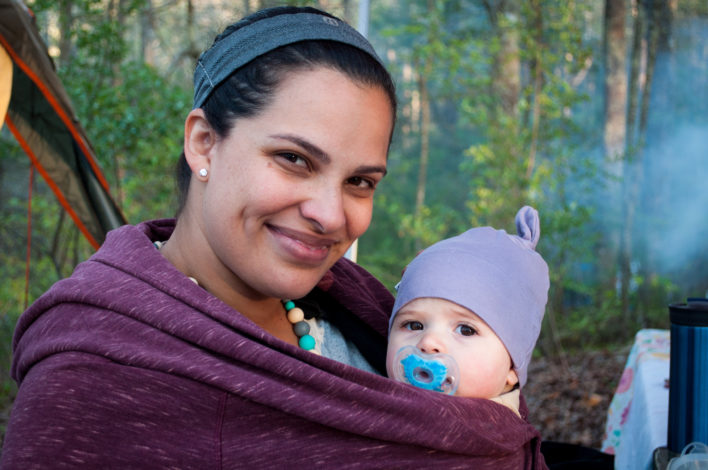
Leave No Trace: What does it Mean for kids?

  1. Share
0 0
If you'd like to learn more about Leave No Trace, check out the other posts on this topic: Part 1: Plan ahead and Prepare and Part 2: Choosing the Right Path
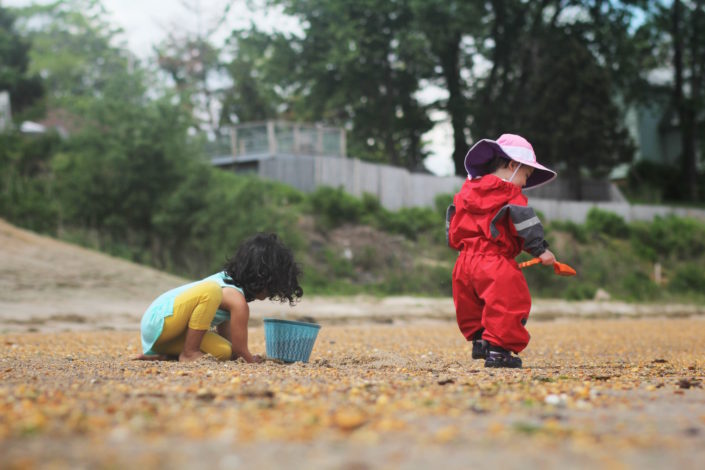
I lived a fairly simple childhood

I was among a generation of children born from parents who were lucky enough to grow up in the 60's and 70's. Parents who can recall building their very own tree house in the old oak tree. Parents who spent summers playing baseball in the nearby sand lot by day and caught fireflies at night. And, lucky for me, my parents wanted to give me a childhood like they had. They wanted me to savor the simple things. Like a bike ride on a Saturday afternoon to the beach. Each spring on the first nice Saturday, my Dad and I got on our bikes and headed toward the Audubon. Making the 1.5 mile trek down Milford Point to the Coastal Center was something I loved sharing with my dad. Pedaling easily down a maze of tree-lined side streets, we made our way together, singing and laughing until the sky opened up and there was just blue. And salt air. We’d park our bikes in the gravel lot before heading toward the beach. Living in this Connecticut seaside community, we have grown used to the beaches. Which ones to visit with toddlers or which to play volleyball. Which one has a snack bar and which has the best sunset.  Our town is lined with beaches from one end to the other, Gulf Beach and Silver Sands, Woodmont and Wildemere.Leave No Trace: What Does it Mean for Kids by Makayla for Hike it Baby

Still, there was nothing quite like this beach. Our beach.

Buffered by an expanse of sea grass dunes, stretching to the end of the point, the sandbar extends into a curved peninsula, offering a safe haven for shorebirds like piping plover and egrets to nest. I would spend hours combing this shoreline, marveling at all of the seashells glimmering like tiny beach tokens. Oysters and Conch shells, Sea Scallops and Mermaid’s Toenails. Harboring a treasured collection of shells, driftwood and seaglass, this particular beach is part of a nature preserve protected by the Audubon. And, as a protected nature sanctuary, there are boundaries. There are rules. Visitors are asked to leave the beach as they found it, taking nothing with them and leaving no trace.

As a kid Leave No Trace was a hard ethic to follow

I would plead with my Dad to let me take just a handful of these shells home with us. I begged to pocket just one piece of the cobalt blue seaglass I had carefully plucked from the mountain of oyster shells. But please Dad, just one little Periwinkle? For the longest time, I couldn’t understand why I wasn’t able to collect these tiny treasures. Surely there were enough? And wouldn’t the tide just wash more ashore in six hours? Only later in life was I able to really understand the phrase, “Take nothing but memories, leave nothing but footprints.” If you tend to spend a lot of time in the great outdoors, whether near the shoreline, in the mountains or in the desert, you’re likely to hear the phrase “Leave No Trace.” What does the three-word slogan really mean? Simply put, it’s the best practices we should follow to enjoy and protect our natural spaces. With well over 100 million visitors on more than 10 billion outings in the U.S. each year, our love for the outdoors can take a toll. Take the collecting seashells. It’s a staple of summer vacation: Head to the beach, pick up a few seashells, and take them home as keepsakes.

What’s the problem with taking a few shells?

Well, if you multiply this harmless little beach activity by trillions, we’ve got a serious global problem on our hands. With skyrocketing numbers of beachcombers pocketing seashells come increased environmental implications ranging from increased erosion to fewer building materials for bird nests. Seashells, believe it or not, play an important role in ecosystems. They are shelter for algae, building materials for birdnests, and armor for hermit crabs. Sure, we want our kids to explore the outdoors, play in the mud, climb trees and build forts, but there are too many heavily used and environmentally sensitive areas that need our protection. Teaching our children the Leave No Trace will help instill a lifelong respect for nature and develop environmental awareness and action in the next generation. Take your kids outside. Lead by example. And teach these lessons every chance you get. You’re changing the world, together, with your kids.Leave No Trace: What Does it Mean for Kids? by Makayla for Hike it Baby

Leave No Trace Tips for Kids

Know Before You Go

As a kid, you often don’t have a lot of choices. Finding opportunities to give your child a choice helps build buy-in and confidence. How does this apply to Leave No Trace? When planning your outdoor adventure, have your child research the weather forecast and plan the best clothing to wear, provide trail choices, and allow them to choose their lunch and snack food for the trip.

Travel and Camp on Durable Surfaces: A good camp site is found, not made

Always use established trails and campsites whenever available to avoid trail erosion. Walk in single-file in the middle of the trail, even when wet or muddy and avoid trails where impacts are just beginning. Encourage your children’s imaginations while directing their powers of awareness and conscious foot-stepping with the power of role-playing. Try a game of secret spies to teach children to leave no evidence of where they have been. Parents, you can play “detective” to follow your "ninjas" trails as they navigate the forest remaining unseen and unheard.

Pack It In, Pack It Out

Accept the challenge of packing out all trash, leftover food, and litter when visiting the outdoors. Play “I spy” with trash by creating a competition among kids (or between kids and parents) to see who can collect the most litter. This activity gets kids thinking about the accumulation of trash and its impact on parks and communities.

Respect Wildlife

Animal encounters are a natural fascination for kids. Help your children understand how to keep a safe distance from wildlife by asking them to stand with one arm raised straight out at shoulder height with their thumb up. Ask them to look at the animal with one eye closed and try to cover it with their thumbs. If they are far enough away, their thumbs will completely block sight of the animal. Quick movements and loud noises are stressful to animals. Teach your child to be a considerate camper. Be sure to store food securely and keep garbage and food scraps away from animals. Never feed wildlife. Keep wildlife wild.

Be Careful with Fire

True Leave No Trace fires are small. Use dead and downed wood that can be broken easily by hand. Turn gathering firewood into a fun activity by playing a firewood relay race where the objective is to gather the most dead and downed firewood of appropriate size. Any firewood larger than kids’ wrists cannot be used and be sure to explain that firewood should be no larger in diameter because it takes too long to burn into ash, hindering the decomposition process. Whenever possible, use an existing campfire ring in a well-placed campsite. And even better, consider using a lightweight camp stoves which are fast, eliminate the need for firewood, and make cleanup after meals easier.

Leave What You Find

This can be difficult for kids. When your kid discovers a cool rock or finds the perfect hiking stick, it can be really difficult for them to part with at the end of your hike. Try giving your child a camera to take photos of treasures they find on the trail. Create a nature journal, scrapbook or use a photo collage application to encourage creativity and save and share their outdoor adventures. This reinforces that they can keep the memory of their adventure while leaving the objects themselves in nature.

Be Kind to Others

Encourage kids to be respectful, courteous and polite when playing outdoors. Model and teach good manners, such as sharing the trail with others and taking breaks away from trails and other visitors and avoid bad behaviors, such as making loud sounds and noises and talking on cell phones. We can teach our children about the natural world. Kids can learn to tell time using a stick and the sunshine. We can take our kids for walks. We can teach them about the seasons. As parents, we can let them play with sticks and climb trees. Watch clouds and gaze at stars. We can teach them to Leave No Trace. Our world depends on it. Do you have any tips on implementing Leave No Trace with your kids? Share with us below! Photos courtesy of Ali Chandra and Melissa Hollingsworth

Comments

To view comments or leave a comment, login or sign up.

Related Content

0
What Is the 10 Minute Walk & Why Your City Needs It
Have You Heard About the 10-Minute Walk Initiative? Suppose you believe that access to parks and green spaces improves physical and mental health, especially during times of crisis, or that life simply feels better when nature is close by. In that case, you are already aligned with the vision behind the 10 Minute Walk Initiative. Photo by Monique Vargas What Is the 10 Minute Walk Initiative? The 10-Minute Walk Initiative is a nationwide effort to ensure that everyone in the United States has safe, easy access to a quality park within a ten-minute walk of home by the year 2050. This is not just a goal for green-friendly states like California or Colorado. It is a promise for every city, every neighborhood, and every family. Want to know if your city is part of it? Visit the 10 Minute Walk website to see if your mayor has signed on. If you do not see your city listed, you can do what some of our community members have done: sign up for updates and learn how to get involved. You may even be able to encourage your local leaders to take part. If you are part of the OutGrown community, you already know our roots go back to the Hike it Baby movement and its guiding value: Leave No Family Behind. That means no matter your pace, parenting moment, or personal identity, you belong here. Whether you are changing a diaper, feeding your baby, managing a meltdown (yours or theirs), or just starting, we will not leave you behind. But here is the hard truth: Some families are being left behind simply because they do not have access. Parks are too far, sidewalks are unsafe, and transit is unreliable.  That is why OutGrown supports the 10-Minute Walk Initiative. Ensuring every family has access to nature is the first step in building an inclusive and equitable future outdoors. OutGrown exists to be a hub of tools, stories, and support for families with babies and young children who want to grow up outside, together. Learn more about our mission and how you can be part of it at WeAreOutGrown.org. About OutGrown OutGrown is a national nonprofit working to ensure that every family, especially those with babies and young children, can experience the benefits of time outside. Since our grassroots beginning in 2013, we have supported more than 300,000 families with the help of thousands of volunteers across the country. We believe nature belongs to all of us from the very beginning. That means creating opportunities, removing barriers, and supporting families in finding their way outdoors, whether that starts with a stroller walk, a community outing, or a quiet moment under the sky. You can learn more and explore our programs at WeAreOutGrown.org. Editor’s Note Thank you for reading. At OutGrown, we believe content should offer more than information. It should create a connection, support real-life caregiving, and reflect how families grow together through nature. Everything we share is made with care by our team and volunteer community. If this piece inspired you or helped you feel more confident in your outdoor journey, we invite you to support our work by donating today. Your contributions help us keep resources free and accessible to all families. Please remember that the experiences and tips shared in this article are for general information only. They are not a substitute for professional medical, mental health, or safety advice. Always consult with a qualified provider if you have specific concerns or questions. We are glad you are here. We are growing something meaningful together
0
5 Tips for Trail Cleanup Safety
Trail cleanups can be a powerful way for families to give back and connect with nature at the same time. With little ones in tow, safety and simplicity are key. Whether joining a group event or picking up trash on your usual stroll, this guide offers practical tips to help make your next cleanup effort safe, age-appropriate, and meaningful for everyone involved. Winters can be hard on trails. Many will need both cleanup and maintenance come springtime. You can contact your local or state park system to see if they have anything planned, or you can plan your own trail cleanup hike with your Hike it Baby branch! Hike it Baby offers lots of information on organizing a trail cleanup, and safety is a consideration when participating in a trail cleanup. Some of these things may seem like common sense, but it’s always nice to double check your preparedness whenever you try something new (or for the first time in a while). 5 Tips for Trail Cleanup Safety 1. Bring proper cleanup supplies Certain supplies will come in handy during a trail cleanup. This would include gloves, trash grabbers and bags. It’s a good idea to have the littles carry the trash bag instead of picking up trash. They may not know what they should and shouldn’t touch. 2. Work in pairs or groups Sticking together and staying in communication with the organizer are very important. Make sure you have a charged cell phone or walkie-talkie with you. A compass could also come in handy if you're off the beaten path. Make sure someone knows exactly what area your group will be working in. Check in often with the organizer and stay close to your partner or group. Or, if you're hosting the hike, help the group stay together and communicate the meet up locations and times. 3. Bring your normal safety supplies All normal hiking injuries can occur on a trail cleanup. In fact, after winter, the trail will likely be in worse shape than usual, so be prepared. Make sure you pack your typical first aid kit, plus plenty of water and snacks. 4. Give the kiddos simple tasks The concept of trail cleanup is super important to share with our kids beginning at a young age as it teaches them to be stewards for our trails and parks. It’s even better to reinforce as they get older. That being said, not every trail cleanup is organized with young children in mind. If attending a hike organized by another group or parks department, speak to the cleanup organizer before deciding whether or not you will bring young children. Make sure there will be tasks suitable for their age and ability. With supervision and proper gloves and grabbers, tiny people are great at holding trash bags, spying trash, and they love to use trash grabbers! Older kids can also be great to pair with younger kids. If hosting your own hike, make sure you communicate what supplies to bring and provide safety tips during Welcome Circle. 5. Use caution Don't ever touch anything sharp or lift anything too heavy. While you will typically feel totally awesome after participating in a trail cleanup, you might not if you cut yourself and get an infection. After winter, there could be trees or large branches across the trail. Don’t try to be the hero and lift something too heavy on your own. Even professional bodybuilders use a spotter to lift. Bring a notepad with you and document anything you can’t handle. Then give this list to the trail cleanup organizer so that the proper crew can address it. (Or, if you're hosting, contact the parks department with the information.) For toddlers and little kids, have them spot the trash ("I spy!") instead of picking it up. This will ensure they aren't picking up anything dangerous or unsanitary. What are your safety tips for trail cleanup? Have a question about safety while participating in a trail cleanup? Leave a comment or a question below! Read More: 11 Tips for Safety on Trail 3 Trail Safety Tips You Must Know Photos by Vong Hamilton. Hike it Baby hikes are hosted by volunteers who have no professional training and are not experts to guide families on hikes. They are people who want to raise a generation to love the outdoors and they accomplish this by facilitating outings for all to join. Our tips are gathered from collective experience. As with any physical activity, please be sure to check with your healthcare provider and other experts when hiking with your children. About OutGrown OutGrown is a national nonprofit working to ensure that every family, especially those with babies and young children, can experience the benefits of time outside. Since our grassroots beginning in 2013, we have supported more than 300,000 families with the help of thousands of volunteers across the country. We believe nature belongs to all of us from the very beginning. That means creating opportunities, removing barriers, and supporting families in finding their way outdoors, whether that starts with a stroller walk, a community outing, or a quiet moment under the sky. You can learn more and explore our programs at WeAreOutGrown.org. Editor’s Note Thank you for reading. At OutGrown, we believe content should offer more than information. It should create a connection, support real-life caregiving, and reflect how families grow together through nature. Everything we share is made with care by our team and volunteer community. If this piece inspired you or helped you feel more confident in your outdoor journey, we invite you to support our work by donating today. Your contributions help us keep resources free and accessible to all families. Please remember that the experiences and tips shared in this article are for general information only. They are not a substitute for professional medical, mental health, or safety advice. Always consult with a qualified provider if you have specific concerns or questions. We are glad you are here. We are growing something meaningful together.