
The Olympics of Parenting

  1. Share
0 0

We are all preparing to tune into the 2016 Rio Olympics in support of our favorite Olympic athletes from around the world. There’s something about watching the best and brightest of us all coming together to chase their dreams and goals that’s incredibly unifying. For 16 days, the world sets aside its differences for the glory of friendly competition, for the joy of sport. As parents, as humans, there are some important lessons to take away from our elite athletes, but chiefly that we’re not so different after all.

You don’t have to be good at everything

You’ll see that Olympic athletes are incredibly specialized. Michael Phelps knows that he’s not a rugby player, so you don’t see him competing on the pitch. Gabby Douglas isn’t a star sprinter or marathoner, so you’ll catch her on the uneven bars or the mat rather than on the track. And on and on and on. It’s completely fine to be really good at one or two things, or even sort of good at  several things, but we cannot all be everything to everyone. And it’s completely ok. We each have our strengths and weaknesses as parents, as adults. By working together, we form a great team that can accomplish amazing things.

p8041148_1910101366_5

Life is a “marathon” of epic proportions

We often say that parenting is a marathon. And in this case the marathon is an Olympic sport too. But, what all of our Olympians have in common is that they put day after day after day in to get to be an elite athlete.  Not every race achieves a record or a medal. Some days, even Olympians fall. As parents, we all have good days and bad days. As hikers, good miles and bad miles. And, parenting is tough work. So what matters is that we stick with it, and keep going forward. (Not that we have the choice as parents!) But truly every day is a fresh opportunity to change the world, to teach our kids our values, to motivate them to keep hiking and to keep doing whatever it is they enjoy even if a few hard days hit periodically.

Diversity is a lot of fun

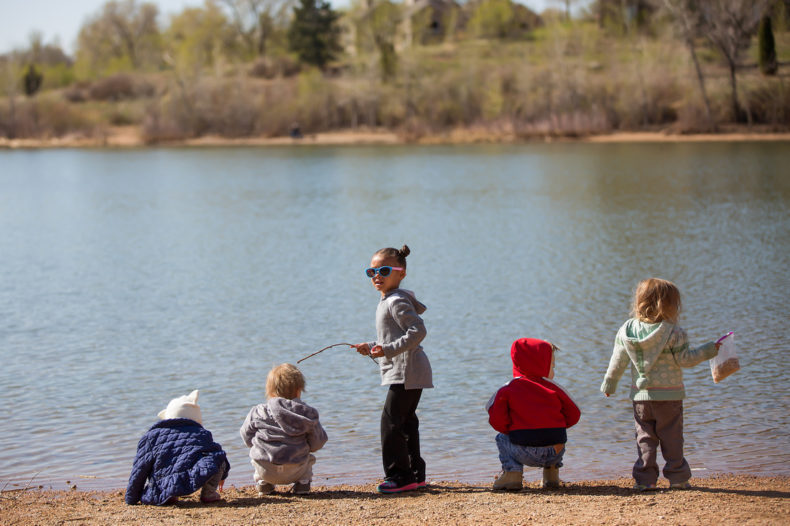
What better opportunity to learn about other people, other cultures, other foods (yum!), and how other people see the world than the Olympics! Parenting groups are often pretty homogenous - whether in ethnicity, in parenting philosophies, in goals. And that’s ok, because it’s natural to group together with people who share your way of thinking. But wouldn’t it be completely boring if we were all the same? We can’t always agree on everything… and that’s ok! The key is getting together to learn how other people do things, to learn how other people grew up, to understand that there are often multiple paths to the same goal.

So, as the world turns our eyes to Rio, maybe it's a great time take a page from the Olympians book, and step out of your comfort zone to do something you might not normally do, and meet some new people. If you’re not outdoorsy, join a Hike it Baby outing. If you ARE outdoorsy, then consider spending a day with a parenting group at a Museum. You’ll gain some new experiences for yourself and your child and possibly meet some really cool people!
p2122555773-o660258763-5

We’re more similar than different

I just said that diversity is awesome, and when we discover that, we also learn that we’re all more similar than we are different. As parents, some of us work, some of us stay home. Some of us babywear, some of us don’t. Some of us co-sleep, while others push for independent sleeping from a young age. Some of us breastfeed and some of us formula feed. In the end, we all want the best for our kids. We all want them to grow up in a safe world and to be decent human beings. We want them to be happy and healthy.

And I think that’s the biggest single thing we can learn from the Olympics. It's ok to recognize our differences, as long as we also are able to recognize our similarities. We are all just humans, on one earth, doing our level best to survive… and meet our goals, whether they be giving our children the best opportunities we can or pursuing Olympic dreams.

Photo Credit: Alhy Berry, Krystal Weir

Erin PenningsErin Pennings is a marketer by trade, and a work-at-home mom to an adventurous small boy who believes firmly in hitting the ground running and the walls climbing. Follow her adventures, fun feats, and tasty treats at SalmonAtSeven.com. Instagram, Twitter, and Facebook - @SalmonAtSeven.

Comments

To view comments or leave a comment, login or sign up.

Related Content

0
What Is the 10 Minute Walk & Why Your City Needs It
Have You Heard About the 10-Minute Walk Initiative? Suppose you believe that access to parks and green spaces improves physical and mental health, especially during times of crisis, or that life simply feels better when nature is close by. In that case, you are already aligned with the vision behind the 10 Minute Walk Initiative. Photo by Monique Vargas What Is the 10 Minute Walk Initiative? The 10-Minute Walk Initiative is a nationwide effort to ensure that everyone in the United States has safe, easy access to a quality park within a ten-minute walk of home by the year 2050. This is not just a goal for green-friendly states like California or Colorado. It is a promise for every city, every neighborhood, and every family. Want to know if your city is part of it? Visit the 10 Minute Walk website to see if your mayor has signed on. If you do not see your city listed, you can do what some of our community members have done: sign up for updates and learn how to get involved. You may even be able to encourage your local leaders to take part. If you are part of the OutGrown community, you already know our roots go back to the Hike it Baby movement and its guiding value: Leave No Family Behind. That means no matter your pace, parenting moment, or personal identity, you belong here. Whether you are changing a diaper, feeding your baby, managing a meltdown (yours or theirs), or just starting, we will not leave you behind. But here is the hard truth: Some families are being left behind simply because they do not have access. Parks are too far, sidewalks are unsafe, and transit is unreliable.  That is why OutGrown supports the 10-Minute Walk Initiative. Ensuring every family has access to nature is the first step in building an inclusive and equitable future outdoors. OutGrown exists to be a hub of tools, stories, and support for families with babies and young children who want to grow up outside, together. Learn more about our mission and how you can be part of it at WeAreOutGrown.org. About OutGrown OutGrown is a national nonprofit working to ensure that every family, especially those with babies and young children, can experience the benefits of time outside. Since our grassroots beginning in 2013, we have supported more than 300,000 families with the help of thousands of volunteers across the country. We believe nature belongs to all of us from the very beginning. That means creating opportunities, removing barriers, and supporting families in finding their way outdoors, whether that starts with a stroller walk, a community outing, or a quiet moment under the sky. You can learn more and explore our programs at WeAreOutGrown.org. Editor’s Note Thank you for reading. At OutGrown, we believe content should offer more than information. It should create a connection, support real-life caregiving, and reflect how families grow together through nature. Everything we share is made with care by our team and volunteer community. If this piece inspired you or helped you feel more confident in your outdoor journey, we invite you to support our work by donating today. Your contributions help us keep resources free and accessible to all families. Please remember that the experiences and tips shared in this article are for general information only. They are not a substitute for professional medical, mental health, or safety advice. Always consult with a qualified provider if you have specific concerns or questions. We are glad you are here. We are growing something meaningful together
0
5 Tips for Trail Cleanup Safety
Trail cleanups can be a powerful way for families to give back and connect with nature at the same time. With little ones in tow, safety and simplicity are key. Whether joining a group event or picking up trash on your usual stroll, this guide offers practical tips to help make your next cleanup effort safe, age-appropriate, and meaningful for everyone involved. Winters can be hard on trails. Many will need both cleanup and maintenance come springtime. You can contact your local or state park system to see if they have anything planned, or you can plan your own trail cleanup hike with your Hike it Baby branch! Hike it Baby offers lots of information on organizing a trail cleanup, and safety is a consideration when participating in a trail cleanup. Some of these things may seem like common sense, but it’s always nice to double check your preparedness whenever you try something new (or for the first time in a while). 5 Tips for Trail Cleanup Safety 1. Bring proper cleanup supplies Certain supplies will come in handy during a trail cleanup. This would include gloves, trash grabbers and bags. It’s a good idea to have the littles carry the trash bag instead of picking up trash. They may not know what they should and shouldn’t touch. 2. Work in pairs or groups Sticking together and staying in communication with the organizer are very important. Make sure you have a charged cell phone or walkie-talkie with you. A compass could also come in handy if you're off the beaten path. Make sure someone knows exactly what area your group will be working in. Check in often with the organizer and stay close to your partner or group. Or, if you're hosting the hike, help the group stay together and communicate the meet up locations and times. 3. Bring your normal safety supplies All normal hiking injuries can occur on a trail cleanup. In fact, after winter, the trail will likely be in worse shape than usual, so be prepared. Make sure you pack your typical first aid kit, plus plenty of water and snacks. 4. Give the kiddos simple tasks The concept of trail cleanup is super important to share with our kids beginning at a young age as it teaches them to be stewards for our trails and parks. It’s even better to reinforce as they get older. That being said, not every trail cleanup is organized with young children in mind. If attending a hike organized by another group or parks department, speak to the cleanup organizer before deciding whether or not you will bring young children. Make sure there will be tasks suitable for their age and ability. With supervision and proper gloves and grabbers, tiny people are great at holding trash bags, spying trash, and they love to use trash grabbers! Older kids can also be great to pair with younger kids. If hosting your own hike, make sure you communicate what supplies to bring and provide safety tips during Welcome Circle. 5. Use caution Don't ever touch anything sharp or lift anything too heavy. While you will typically feel totally awesome after participating in a trail cleanup, you might not if you cut yourself and get an infection. After winter, there could be trees or large branches across the trail. Don’t try to be the hero and lift something too heavy on your own. Even professional bodybuilders use a spotter to lift. Bring a notepad with you and document anything you can’t handle. Then give this list to the trail cleanup organizer so that the proper crew can address it. (Or, if you're hosting, contact the parks department with the information.) For toddlers and little kids, have them spot the trash ("I spy!") instead of picking it up. This will ensure they aren't picking up anything dangerous or unsanitary. What are your safety tips for trail cleanup? Have a question about safety while participating in a trail cleanup? Leave a comment or a question below! Read More: 11 Tips for Safety on Trail 3 Trail Safety Tips You Must Know Photos by Vong Hamilton. Hike it Baby hikes are hosted by volunteers who have no professional training and are not experts to guide families on hikes. They are people who want to raise a generation to love the outdoors and they accomplish this by facilitating outings for all to join. Our tips are gathered from collective experience. As with any physical activity, please be sure to check with your healthcare provider and other experts when hiking with your children. About OutGrown OutGrown is a national nonprofit working to ensure that every family, especially those with babies and young children, can experience the benefits of time outside. Since our grassroots beginning in 2013, we have supported more than 300,000 families with the help of thousands of volunteers across the country. We believe nature belongs to all of us from the very beginning. That means creating opportunities, removing barriers, and supporting families in finding their way outdoors, whether that starts with a stroller walk, a community outing, or a quiet moment under the sky. You can learn more and explore our programs at WeAreOutGrown.org. Editor’s Note Thank you for reading. At OutGrown, we believe content should offer more than information. It should create a connection, support real-life caregiving, and reflect how families grow together through nature. Everything we share is made with care by our team and volunteer community. If this piece inspired you or helped you feel more confident in your outdoor journey, we invite you to support our work by donating today. Your contributions help us keep resources free and accessible to all families. Please remember that the experiences and tips shared in this article are for general information only. They are not a substitute for professional medical, mental health, or safety advice. Always consult with a qualified provider if you have specific concerns or questions. We are glad you are here. We are growing something meaningful together.